Get Full Government Meeting Transcripts, Videos, & Alerts Forever!
Get email alerts on the Historic Rehabilitation topic
No spam. Unsubscribe anytime.
Danville board approves multi-part rehabilitation of 124–126 N. Third St.; owner plans boutique, home‑goods shop and upstairs rental
Summary
The Danville Architectural History Board approved a step-by-step Certificate of Appropriateness for 124–126 North Third Street, allowing masonry repairs, window restoration, doors, awnings, lighting, roof and loading‑dock work; staff noted tax‑credit coordination and that an Airbnb will require a conditional use permit from planning and zoning.
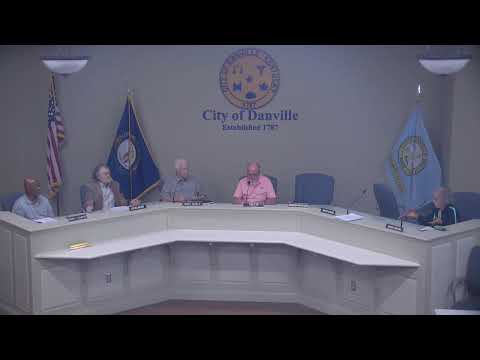
Donna Major, who said she and her husband recently purchased the joined buildings at 124 and 126 North Third Street, presented a renovation plan on April 15 to convert the ground floors into a clothing boutique and a home‑decoration shop and to adapt the upstairs into a short‑term rental. The board considered an eight‑part staff report and voted to approve repairs and replacements for most exterior elements with conditions intended to preserve the buildings’ historic character.
The board’s director, Gary, told members the applicant had prepared a thorough package and that staff wanted to be careful because the project team is pursuing federal historic tax credits through the Kentucky Heritage Council. "Miss Major has given us an extremely well put‑together package," Gary said, and staff read findings of fact for each proposed work item before the board moved on each element individually.
Key approvals and conditions
- Masonry repairs and sealing: Approved with the condition that new mortar joints match existing joint profiles and that the proposed breathing sealants and compatible products be used to address water infiltration, notably on the 126 address.
- Windows: The board approved uncovering bricked‑over steel window frames at 126 and required that any replaced windows match the original proportions and appearance; windows left covered will be replaced with framed wooden or steel windows replicating historic sash and lite patterns where required.
- Doors and awnings: Replacement of front and rear doors to replicate historic commercial doors was approved without conditions; replacement awnings of the same proportions were found not to require design review.
- Lighting: Shielded goose‑neck down lights were approved without conditions; staff noted the guidelines do not explicitly address sconces on commercial facades but found the proposed fixtures non‑distracting.
- Roofs, chimneys and gutters: Repointing, chimney capping and repair with historically appropriate or lightweight materials were approved; staff cited National Park Service and Kentucky Heritage Council guidance on the recommended products.
- Loading dock/addition: A new wooden loading deck (approximately 8×10) for accessibility purposes was approved; staff said minor design changes (for example switching stairs for a ramp) can be reviewed administratively if they meet guidelines.
- Foundation work: Repointing with lime‑based mortar and filling a non‑original basement opening were described as light repairs that do not require a vote.
Board members emphasized tax‑credit coordination and the need to follow the Kentucky Heritage Council’s requirements closely so the applicant’s federal tax‑credit application is not jeopardized. The director advised the board would proceed item‑by‑item so Donna Major can provide documentation useful for the state review.
Planning and zoning steps
Board members noted that operating an Airbnb is a separate land‑use question: the board advised the applicant that short‑term rentals require a conditional use permit from planning and zoning and that obtaining that permit could affect certain business choices. The board’s approvals on April 15 covered the historic‑preservation aspects of the work as presented; the director reiterated that the approvals were for the work in the packet and that any material changes would require a return visit.
The board’s approvals allow the applicant to move ahead with rehabilitation and to prepare materials for the Kentucky Heritage Council review; several items (notably uncovered steel frames and tax‑credit preparations) will proceed under that separate review process.