Get Full Government Meeting Transcripts, Videos, & Alerts Forever!
Get email alerts on the Opioid Recovery topic
No spam. Unsubscribe anytime.
Board approves case‑management request tied to opioid recovery funding; prevention advocates offer free trainings
Summary
The board approved a request for case‑management support from Bethesda to use opioid/abatement funds; the presenter outlined outreach plans, hourly billing rates and case‑tracking procedures. Recovery advocates in public comment offered free trainings and materials.
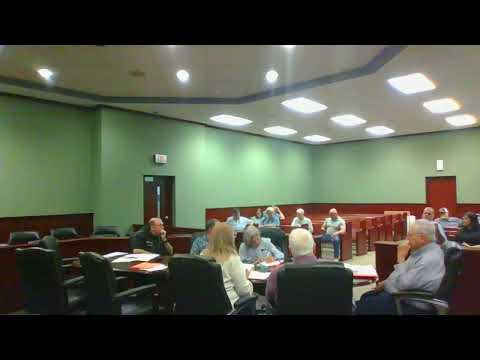
The Houston County board approved a funding request from Bethesda to provide case‑management and referral services tied to opioid recovery efforts, board members said. The presenter described a case‑management model that will include outreach through food‑box flyers and referral cards and a commitment to a standard contact protocol.
At the meeting a presenter described the proposed case manager as charging a flat fee on a case‑by‑case basis: $30 per hour for phone contacts and $40 per hour for in‑person visits; mileage would be reimbursed if travel is required. The presenter said the position is not guaranteed to reach a particular hourly cap — the entry on the application that reads "25" was described in discussion as a maximum, not a guaranteed amount. The presenter said Bethesda serves about 100 families per week, that the case manager has more than 30 years of case‑management experience and regional referral relationships, and that they would attempt three contact attempts within 48 hours and follow monthly as needed.
Board members discussed the county opioid/abatement account balance, noting that funds decrease annually; one board member estimated the account should still hold roughly $60,000–$70,000 after recent disbursements, and members discussed timing of the next installment. A board member moved and the board approved the Bethesda request by voice vote; the transcript does not include a full roll‑call tally.
During public comment, Nikki Green (Spar County Alliance for Substance Abuse Prevention; Tennessee Department of Mental Health and Substance Abuse) offered free trainings, Narcan distribution and curriculum materials to support prevention programming. "Prevention is where it's at. We got to get these kids before they get older," Green said, describing personal experience and offering to supply speakers and materials free of charge. Melissa Fields, identified as director of the Sur County Prevention Coalition, said she and her coalition can provide additional resources and coordination.
Board members asked presenters to retain receipts and to provide basic metrics after services begin. The board did not specify a formal reporting schedule in the transcript beyond the presenter's commitment to tracking referrals and contacts.