Get Full Government Meeting Transcripts, Videos, & Alerts Forever!
Get email alerts on the Higher Education topic
No spam. Unsubscribe anytime.
Dr. Mary Casey Tikin: Geography shapes opportunity for rural students at elite colleges
Summary
On Bronx TV's Social Justice Forum, Bates College associate professor Dr. Mary Casey Tikin said geographic barriers—not ability—often limit rural students' access to and success at elite colleges and urged admissions and policy changes to reduce hidden costs and expand post-college opportunities.
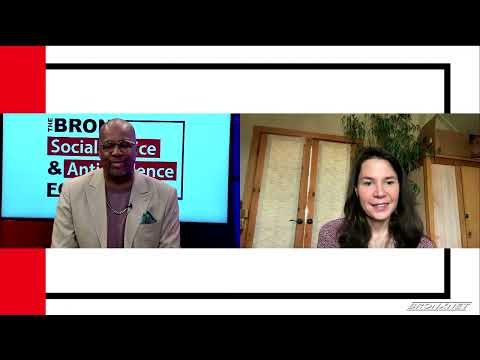
Dr. Mary Casey Tikin, an associate professor of education at Bates College, told Bronx TV's Social Justice Forum that geography—more than aptitude—structures which rural students get into and thrive at elite colleges. She cited research for her book Educated Out: How Rural Students Navigate Elite Colleges and What It Cost Them, in which she followed nine first-generation rural students at a selective college she calls "Hilltop."
Tikin opened with a national gap: "In the year 2021, 31% of rural adults aged 25 and older held postsecondary degrees compared to 45% of urban adults," and asked why rural students enroll and persist at lower rates. Her study, she said, tracked students through graduation and several months afterward to observe academic, social and postgraduation outcomes.
She described barriers that operate at three stages. In the application phase, many rural students lack access to AP classes and counseling that strengthen college applications. "AP classes...are geographically uneven," she said, noting that some rural schools offer one or two such courses while well-resourced urban schools offer many.
On campus, Tikin said rural students face "hidden costs"—textbooks, unpaid internships and social activities—that limit participation and resume-building. Those constraints sometimes forced students to take paid summer work at home instead of internships that bolster post-college hiring prospects.
Tikin also described cultural and logistical challenges: large campuses, unfamiliar social norms and proximity to concentrated wealth that can make rural students feel on the margins. She said these obstacles sometimes led students to fail courses, change majors or be dissuaded from career tracks such as pre-med.
Discussing family impact, Tikin said parents were often strong advocates for college even when they lacked college-going experience. She relayed a parent's framing: "Going to college is a little bit like joining the military. It changes you," a formulation Tikin said underscored the emotional and practical price families may pay when a child leaves a rural community.
From those findings, Tikin suggested several changes. Colleges should incorporate geography into admissions evaluations so that overcoming rural barriers counts as merit; institutions should ensure students know about and can afford opportunities such as internships; and policymakers should better align education and economic strategies so graduates can find jobs in—or return to—rural communities.
Tikin warned that the college-attainment gap affects wages, local revenue and civic health and that the divide is widening unless addressed. She said the study revealed that many rural students value their home communities and develop cultural navigation skills that can be strengths if supported appropriately.
The Social Justice Forum closed with information on rewatching the episode at bronxed.org; Tikin said she is reachable on LinkedIn for those seeking further conversation about rural college access. The episode included no formal votes or motions.