Get Full Government Meeting Transcripts, Videos, & Alerts Forever!
Get email alerts on the Budget Allocation topic
No spam. Unsubscribe anytime.
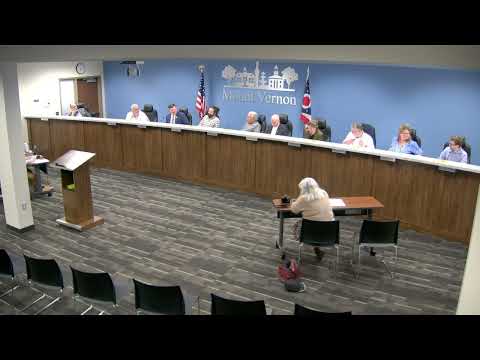
Mount Vernon committee debates shifting income-tax allocations to cover debt service
Summary
Council committee reviewed Ordinance 2026-10, which would reduce percentages for capital and roads funds and direct more income-tax revenue to a debt-coverage capital fund; staff says the change reallocates existing revenue and is not a tax increase.
Mount Vernon council members spent a committee session examining Ordinance 2026-10, a proposal to change how the city allocates portions of its income-tax revenue to better cover rising debt-service needs.
The ordinance would lower the city’s 401 capital-improvement allocation from about 19.5% to 15% and reduce the 405 roads-and-bridges allocation from about 19.5% to 11%, moving additional revenue into fund 407, a capital-improvement/debt-service fund created last year. The presenter said the change would allow the 407 to carry more debt service on completed projects going forward.
“We’re assuming 0% year-over-year increase,” the presenting council member said while outlining the conservative revenue estimate used in the handouts. The materials also noted that funds 401 and 405 receive other revenue beyond income-tax allocations—examples cited in committee included reimbursements to 401 and grant proceeds to 405.
A council member emphasized that the draft is an internal reallocation of existing receipts rather than a tax-rate increase. Committee discussion repeatedly framed the proposal as temporary and subject to reassessment if debt projections for projects such as the police station, municipal center remodel and a new east-end fire station grow.
Procedurally, staff said the ordinance will proceed through three readings; the committee received briefing materials and will consider the item again at the next reading.
Why it matters: The change shifts how limited tax revenue is prioritized between capital projects, roads and day-to-day operations while aiming to smooth future debt-service payments. Committee members said the intent is to manage debt without raising tax rates.
What’s next: The ordinance will proceed to its second reading that evening and return for subsequent readings before any final vote.