Get Full Government Meeting Transcripts, Videos, & Alerts Forever!
Get email alerts on the Municipal Bonds topic
No spam. Unsubscribe anytime.
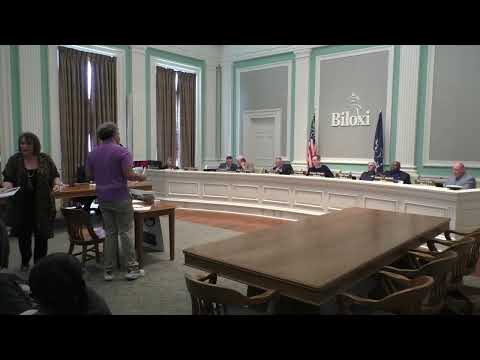
Biloxi council approves bond intent, sets not‑to‑exceed cap at $18 million
Summary
The Biloxi City Council voted to publish intent to issue general obligation bonds and amended the resolution to set an upper cap of $18 million to preserve borrowing flexibility; the council said final project allocations will return for approval and set a revised protest‑period date.
The Biloxi City Council voted to publish a resolution declaring the city’s intent to issue general‑obligation bonds and amended the maximum authorization to an "up to" $18 million cap to preserve flexibility while officials prioritize projects.
Council members said the action authorizes the process, not final project selection. At the meeting, council staff described the step as an inducement resolution that allows the city to publish notice, run the statutory protest period and engage municipal advisors and the bond bank. City attorney/staff Jane explained the next steps: publishing the notice weekly for four weeks, allowing a taxpayer protest window and, if necessary, seeking inducement from the development bank before a formal bond sale.
Proponents argued the higher cap guards against missing needed funding and gives staff room to price transactions in the municipal market. "Putting out low ball numbers...is not going to get the job done," Councilman Marshall said during debate, urging caution about underfunding priority maintenance and public‑safety repairs. Opponents cautioned against saddling future budgets with excessive debt and urged tighter prioritization of projects before formalizing a cap.
Before the final vote on the amended resolution, the council approved an earlier amendment to revise the published protest‑period deadline; that procedural amendment passed 4–3. After extended discussion about priorities and borrowing levels, the council approved the resolution as amended. The meeting record shows the amendment to lift the cap to $18 million passed and the resolution as amended carried the body’s approval.
The council and staff said project‑level decisions — which projects will receive bond proceeds and in what amounts — will return to the council for individual resolutions and budgetary allocations after financing is arranged. Staff noted the precise annual debt‑service cost will be known only after the bonds are sold and interest rates are set. The council directed staff to continue workshops to finalize the priority list and to coordinate with the mayor’s office on project sequencing.
What happens next: staff will publish the notice required by state law, allow the statutory protest period, work with municipal advisors and the development bank on inducement language if desired, and bring back a formal bond resolution that fixes the final amount and project allocations for council approval.