Get Full Government Meeting Transcripts, Videos, & Alerts Forever!
Get email alerts on the Capital Budget topic
No spam. Unsubscribe anytime.
Oak Hills board sketches $286k–$500k capital needs; tennis courts and cart-path drainage top priorities
Summary
Authority members discussed FY2027 capital assumptions, a possible $55,000-per-court reconstruction plan, a tentative $286,000 package for front-six cart-path and drainage work, and potential grant funding from USTA and state recreation programs.
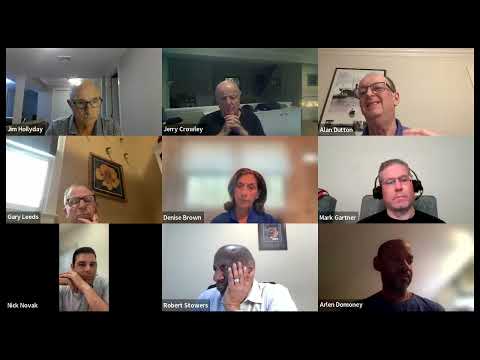
Board members at the Oak Hills Park Authority’s April 16 meeting began framing next year’s capital and operating assumptions, listing several large-ticket maintenance projects and possible funding paths.
"They put an extra ton of clay down on each court," Arlen, who leads tennis operations, said of recent work by Oval, then gave a reconstruction estimate: "It's roughly $55,000 a court," adding that full replacement with irrigation would push the total closer to $500,000.
Golf superintendent Jim Shell presented a tentative package of work to reroute a cart path and install drainage around the front six holes, calling the total "about $286,000" for cart-path and related drainage and tee work across that segment. Shell said the work could be staged to limit revenue loss — one plan would close holes 1–6 for roughly two to three weeks in the off season and temporarily adjust play to keep revenue streams active.
Management and board members discussed likely funding sources for those kinds of projects. The U.S. Tennis Association grant program was mentioned as a possible match for resurfacing work; management said past grants involved match requirements ("if we could have raised 50% of it, they would match 50%"), and members also suggested state outdoor-recreation grants and a Friends fundraising effort as potential sources.
Finance staff Mark summarized cash flow: last fiscal year produced roughly $700,000 in positive cash flow, of which about $150,000 was paid to the city in debt service; the board expects to have between $285,000 and $380,000 available for capital depending on final close and contingencies. Members debated whether to spend down reserves for capital or preserve a cash cushion for operating surprises; Gary Leeds noted that free cash had increased by about $100,000 in the last audit year despite capital spending.
Board members asked management to prepare clearer bids and a staged plan for Monday’s internal CapEx meeting and to add contingency assumptions for building maintenance and equipment failures. No formal capital authorization was taken; the session was a planning discussion ahead of later budget votes.