Get Full Government Meeting Transcripts, Videos, & Alerts Forever!
Get email alerts on the Rent Stabilization topic
No spam. Unsubscribe anytime.
Residents and advocates press Lake County to disclose rent-stabilization ad hoc committee work
Summary
Mobile-home residents and advocates urged the Lake County Board to place a formal status update from its rent-stabilization ordinance ad hoc committee on the next agenda, called for stronger tenant protections and asked for a moratorium on new pass-through fees and charges.
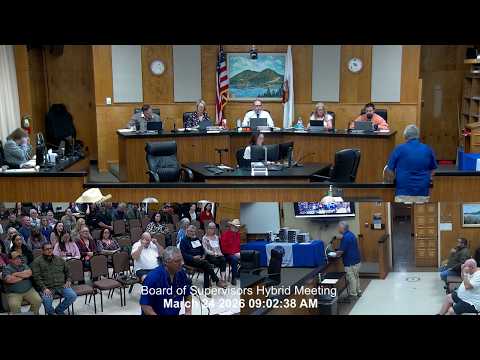
Residents and tenant advocates told the Lake County Board during public comment that the ad hoc committee developing a rent-stabilization ordinance (RSO) has operated largely out of public view and must report progress publicly.
"Please use your authority to place a formal status update on the agenda for our next regular meeting," said Maya Lynn, a Lake County resident, asking the board to disclose what data and expert testimony have been reviewed, which stakeholders were consulted and when the board can expect final recommendations.
The plea was echoed by other speakers representing mobile-home communities. Tom Flanigan of Sterling Shores said residents are not receiving responses from county staff and asked whether the county attorney had reviewed potential RSOs and whether staff had examined other counties' ordinances. "All we want to know is just what's going on," he said.
Advocates from the Golden State Manufactured Homeowners League warned that draft protections presented so far contain loopholes that leave residents exposed to fee pass-throughs and rent spikes. "This greed remains unchecked because the priority of protection for mobile residents has been denied," said Jody Johnson, volunteer vice president of the group, who accused large investment-group park owners of imposing retroactive pass-throughs and large fee increases. Johnson cited instances she described as a $400,000 pass-through and $350 monthly increases; those figures were presented as claims by the speaker and not verified at the hearing.
Hillary Moer, regional manager for the Golden State Manufactured Homeowners League, told supervisors the county's housing element and the California Housing Crisis Act of 2019 obligate local governments to preserve affordable housing and rehabilitate existing stock. Moer said the ad hoc committee, which she said met frequently over several months, has not placed a progress report or an actionable item on the public agenda and urged the board to "place this issue on your agenda next week. Do not delay further."
Board members acknowledged the comments but made no on-the-record commitment during public comment to schedule a formal status update. The public-comment period closed with no recorded motions or votes on the RSO.
What happened next: The board closed public comment and proceeded with its agenda; no formal action on the RSO was captured in the public-comment segment.
Why it matters: Speakers said the issue affects long-term affordability for vulnerable mobile-home residents, including seniors and people who cannot attend meetings. They asked the county to increase transparency about the ad hoc committee's work, explicitly identify stakeholders consulted, and consider interim protections such as a moratorium on new pass-through fees.
Next steps: No next-step or date was announced during the public-comment period; speakers asked supervisors to schedule a status report at the next regular meeting.