Get Full Government Meeting Transcripts, Videos, & Alerts Forever!
Get email alerts on the Historic Preservation topic
No spam. Unsubscribe anytime.
Planning board tables proposed rollback of historic‑preservation rules after resident objections
Summary
The board tabled a proposed LDR amendment (10.11.1–10.11.6) that would have removed mandatory historic‑preservation compliance and shifted the Historic Preservation Agency toward advisory work; board members and a historic‑district resident urged revisions rather than deletion and the motion to table passed unanimously.
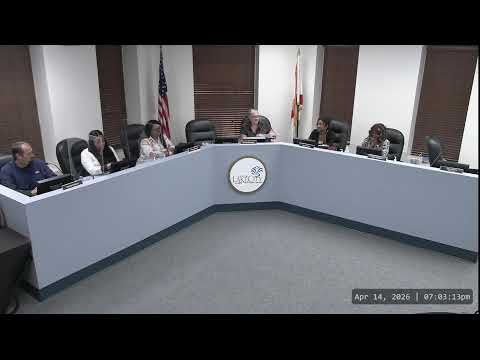
The Planning and Zoning Board on April 14 tabled a proposed text amendment (PZLPA LDR2601) that would delete sections 10.11.1 through 10.11.6 of the Land Development Regulations, a change staff said is intended to move historic preservation toward an incentive‑based, advisory model aligned with CRA goals.
Staff told the board the mayor and council requested the review and that the change is intended to offer a "carrot" rather than mandatory regulation to encourage redevelopment while retaining the Historic Preservation Agency in a counseling role. The proposed change would roll historic preservation provisions back to a roughly 2019 framework emphasizing voluntary compliance.
Several board members and at least one resident who lives in the historic district objected to wholesale deletion of the mandatory standards. One resident said she has been renovating her historic home to comply with guidelines and opposed removing enforcement language that currently requires compliance. "I don't want somebody next door to me that's painted purple with pink polka dots," the resident said, arguing that design oversight preserves neighborhood character.
City staff and legal counsel acknowledged concerns. Counsel described legal risks tied to applying a regulatory structure to some property owners without a hearing and said the net effect of the current adoption raised equal‑protection considerations. Board members recommended revising the sections to retain design guidance as non‑mandatory recommendations, target regulatory measures to commercial corridors rather than residential historic districts, and return with a revised draft.
The board moved to table the item so staff could prepare a revised version that preserves guidance while converting mandatory language to advisory recommendations; the motion passed by unanimous show of hands.
Staff said they will return with revised language and possible workshop coordination between the board and City Council.