Get Full Government Meeting Transcripts, Videos, & Alerts Forever!
Get email alerts on the Reassessment topic
No spam. Unsubscribe anytime.
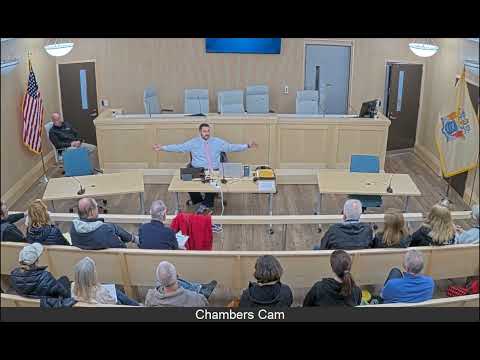
Highlands assessor explains 2025 reassessment, why some values rose sharply and how it may affect taxes
Summary
Borough assessor Greg Hutchinson told residents the 2025 reassessment reflects market value and a boroughwide rateable-base increase of about 23.4%; increases above that average are more likely to lead to higher taxes but the final tax impact depends on budgets and the tax rate set later in spring.
Greg Hutchinson, the borough assessor for Highlands, laid out the reasoning behind this year’s reassessment and why some homeowners saw unusually large percentage increases in their 2025 assessments.
Hutchinson said at a public town‑hall that assessments are tied to market value, not to tax bills, and that the postcards residents received are notices of assessed market value rather than tax bills. "Market value is all that matters," he said, adding that the state constitution requires assessments to reflect market value. He also emphasized that he does not set tax rates or municipal, county or school budgets, which together determine a homeowner’s final tax bill.
Why some assessments jumped: Hutchinson said the borough's total rateable base — the assessed value across all properties — rose about 23.4% from 2024 to 2025. "If your assessment went up more than 23.4% ... you can expect a tax increase," he said, explaining that when one property’s assessed value increases more than the borough average, its share of the tax burden grows unless budgets change. He cautioned, however, that a large percentage increase in assessment does not automatically mean the same percentage increase in taxes because the tax rate (the levy divided by the rateable base) typically adjusts once budgets are set.
Data quality and timing: Hutchinson described problems that complicated this reassessment, saying some recent sales were mistakenly marked as nonusable during the county sales review, which skewed neighborhood ratios and required deeper review. He also noted that annual reassessments are intended to reduce the inequities that develop when jurisdictions go many years between full revaluations.
Mass appraisal and the postcard breakdown: The assessor explained mass appraisal practice—adjusting a neighborhood’s constant (often land value) to bring the whole area to market. He warned residents not to fixate on the land-versus-improvement breakdown printed on the postcard: "The breakdown means nothing" in isolation, he said, because the final market value is what matters in an appeal or at a hearing.
What residents can do: Hutchinson repeatedly urged homeowners to check their property record card (PRC) on the county website for data errors and to provide corrected information during the appeal window or during the year so it can be fixed before next year’s reassessment. He encouraged community members to bring accurate comparables to any hearings and to use the appeals process when they believe the market value is incorrect.
The meeting ended with extended Q&A covering inspection cycles, how sales are selected for comparables, and practical tips for preparing appeals. Hutchinson closed by inviting residents to contact the assessor’s office and to review their PRCs online.
The assessor said the municipality’s new overall rateable base figure and sales data will be incorporated as budgets are set; residents should expect the tax rate to be struck in late spring or early summer.