Get Full Government Meeting Transcripts, Videos, & Alerts Forever!
Get email alerts on the Community Redevelopment topic
No spam. Unsubscribe anytime.
Lake City planning board recommends update to CRA plan, citing TIF financing
Summary
The Planning and Zoning Board voted unanimously April 14 to recommend changes to Lake City’s Community Redevelopment Area plan, which outlines ~655 acres around Lake DeSoto and uses tax‑increment financing to fund prioritized projects tied to housing, corridors, and public spaces.
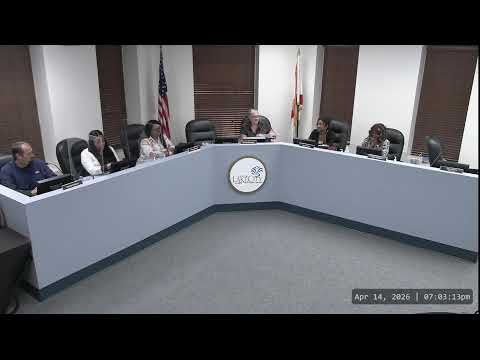
The Planning and Zoning Board of the City of Lake City voted unanimously April 14 to recommend a revised Community Redevelopment Area (CRA) plan that updates goals for downtown revitalization, housing, commercial corridors and public‑space connectivity.
Eric Bredfeldt, a consultant with Inspire, told the board the CRA footprint is about 655 acres surrounding Lake DeSoto and that the update was driven by community engagement and recent data. He said the plan lays out short‑, medium‑ and long‑term implementation schedules and identifies partners for project delivery.
"Tax‑increment financing is the financing mechanism that allows the CRA to capture the incremental increase in property value and invest it back into that area," Bredfeldt said, explaining that the approach does not create a new tax but uses increases in property value that result from investment.
Julia Clark, an urban planner with Inspire, walked the board through the comprehensive plan policies the CRA revision is designed to support, including directing higher‑intensity uses to areas with adequate infrastructure, expanding access to affordable and workforce housing, strengthening commercial corridors and improving walkability and bikeability.
Board members asked staff to confirm the 117‑page draft aligns with the city’s comprehensive plan. City staff confirmed that alignment and that community meetings were held during the revision process. A board member asked if TIF increases taxes; staff clarified that property tax payments can rise only if property values rise, and the CRA captures the increment for reinvestment.
The board moved to approve resolution PZLPACRA26‑01A, recommending the plan to the CRA board and City Commission; the motion passed on a roll‑call vote with all members voting yes.
The recommendation does not by itself adopt projects or authorize expenditures; individual projects will require later approvals, permitting and budgeting. Staff said the plan’s implementation schedule and partner roles are intended to increase the likelihood that projects identified in the plan are built rather than remain on paper.