Get Full Government Meeting Transcripts, Videos, & Alerts Forever!
Get email alerts on the Fire Investigation topic
No spam. Unsubscribe anytime.
Presenter describes wildland fire origin-and-cause training hosted by West Virginia Division of Forestry
Summary
A presenter said a hands-on "wildland fire origin and cause determination" course used controlled spot fires, canine tracking and interagency instruction to teach investigators how to determine whether wildfires were intentionally set and to reduce risks to suppression crews.
A presenter with the West Virginia Division of Forestry described a hands-on "wildland fire origin and cause determination" course that used controlled spot fires and field forensics to teach investigators how to determine whether wildfires were intentionally set, the presenter said.
The presenter said the course trains investigators "to determine the origin of a wildfire by reading directional indicators and then determining what caused the fire" so those findings can be used for prevention and enforcement. Instructors staged small demonstration fires using matches, fireworks and Roman candles to show trainees different ignition patterns, the presenter said.
The presenter said trainees examine directional indicators on the ground—how fire moved over trash or bottles—to distinguish intentional ignition from accidental causes. "This allows the class to come in here with instructors and they'll get on the ground and they'll look for different signs," the presenter said.
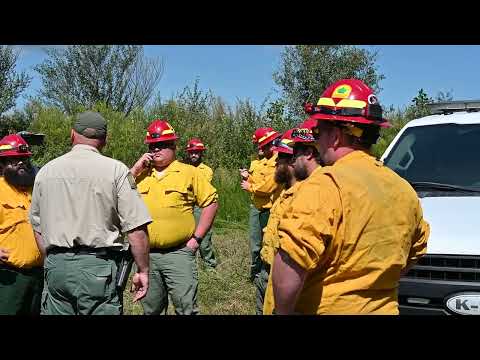
The session included participants from several agencies. The presenter listed the Georgia Forestry Commission, the Tennessee Department of Agriculture, staff from the West Virginia Division of Forestry, personnel from the U.S. Park Service and investigators from the U.S. Forest Service. The presenter said he helped light and control the demonstration fires and that instructors explained techniques to the class.
The presenter also described the use of canine units: "For decades now, we've had our canines and our canines are utilized to track the individuals that had ignited the wildfire and left the area," the presenter said, adding that canines can lead investigators to suspects' locations. The presenter argued that accurate origin-and-cause determinations "mean we're not risking our lives suppressing them," saying improved investigation helps reduce danger to crews and supports prevention efforts.
The training was described as benefiting newer forestry employees and personnel from other states who requested the course, improving communication among agencies and building investigative capacity. No formal decisions or votes were recorded; the session was presented as training and interagency cooperation.
The course aims to help investigators produce evidence for enforcement while reducing risk to suppression crews, according to the presenter.