Get Full Government Meeting Transcripts, Videos, & Alerts Forever!
Get email alerts on the Community Impacts topic
No spam. Unsubscribe anytime.
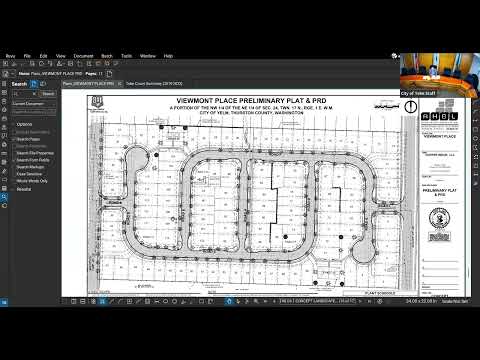
Neighbors press Yelm officials on traffic, school capacity and transit as Vmont Place moves forward
Summary
During the Vmont Place hearing, residents urged caution on traffic, school capacity and bus reliability; staff said mitigation and impact fees address concurrency while the hearing examiner stressed his legal limits to compel external agencies.
Community members at the April 2 hearing on the Vmont Place subdivision framed their concerns around three recurring themes: traffic congestion on State Route 510 and local connectors, impacts on school capacity and bus service reliability, and whether the city should prioritize preserving open space over new housing.
Multiple speakers told the hearing they fear that an influx of new homes will outpace current infrastructure. "Traffic already... the two‑lane highway going in and out of Yelm 510, 507 is terrible right now at the peak hours," resident Scott Weber said. Long‑time resident Rick Jones warned that tens of thousands of new dwelling units projected for the area could outstrip emergency‑response times and neighborhood services.
City staff and the applicant responded that the Traffic Impact Analysis (TIA) and agency review anticipate several failing intersections by 2030 under build‑out assumptions, and that some of those systemwide outcomes are projected whether or not this particular subdivision proceeds. Staff described project‑specific mitigation — sidewalk connections, upgraded school‑zone signage, a rectangular rapid‑flashing beacon and coordination with WSDOT — and said payment of traffic impact fees and the installation of identified improvements will meet concurrency requirements.
Speakers also raised school capacity and transit reliability. A student who uses the city bus said the route "is already late most days," and asked how added traffic would affect riders who rely on transit to reach school. Hearing Examiner Mark Shipmire said the timing and operation of bus service fall outside his authority; staff noted school impacts are addressed through a city‑district concurrency agreement and school impact fees, and said the district’s enrollment peaked in 2022 and has seen a slight decline since then.
Some neighbors asked whether impact fees simply cover past infrastructure needs or are directed to new improvements; staff invited follow‑up meetings with the city to explain fee allocations, noting that decisions about how fees are spent are outside the hearing examiner’s consideration and better addressed to council or administration.
A number of speakers urged alternatives to development, calling the parcel an important informal public space and proposing preservation or trail conversion. Shipmire explained legal constraints on denying development rights outright absent a regulatory basis (takings doctrine), noting that land‑use decisions must balance private property rights and public goals within the city code and state law.
The hearing closed with Shipmire announcing his intent to approve the preliminary plat with conditions tying buildout to an HCP and the traffic and utility measures laid out in the record; he will formalize that decision in a written order.