Get Full Government Meeting Transcripts, Videos, & Alerts Forever!
Get email alerts on the Higher Education topic
No spam. Unsubscribe anytime.
University of Montana advances presidential finalist, reports enrollment gains and places several programs in moratorium
Summary
Vice provost Leslie Webb said the University of Montana advanced Dr. Jeremiah Shin’s candidacy to the Board of Regents for consideration, reported a 16% enrollment increase since 2021 and said several low‑enrollment programs (including a Chinese minor and select master's degrees) will be placed in moratorium while growth programs receive investment.
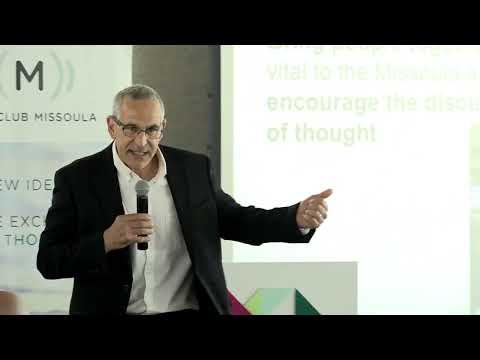
University of Montana vice provost Dr. Leslie Webb told the City Club forum that the campus has advanced Dr. Jeremiah Shin as the finalist for the university presidency and that the institution is experiencing enrollment and retention gains even while it trims some low‑demand programs.
"Last week, we welcomed Dr. Jeremiah Shin to campus...a unanimous decision was made to advance the candidacy of Dr. Shin to the board of regents for its consideration tomorrow morning," Webb said, describing a fast but orderly leadership transition.
Webb said headcount has risen by more than 1,500 students since 2021, about a 16% increase, and that first‑to‑second‑year retention has increased roughly 9 percentage points since 2018. She said those gains reflect efforts to improve onboarding, financial aid, student services and experiential learning.
At the same time, Webb described program prioritization: the university is placing a handful of programs into moratorium or discontinuing degrees where enrollments have fallen. She named a moratorium on the Chinese minor and noted moratoria or discontinuation affecting Irish studies, certain literature offerings and some economics master’s programs. John Dbor, vice provost for academic affairs, said these decisions follow an academic playbook and annual program reviews intended to match offerings to student demand and fiscal sustainability.
"This does not mean that M students will not be able to take classes in those programs, but rather there will be no degrees offered in these disciplines once our current students graduate out," Webb said.
Webb also highlighted growth in specific areas—criminology, environmental science and sustainability, cybersecurity, a new occupational‑therapy program and a planned physician assistant program—and emphasized the economic role of Grizzly athletics. The university cited a Bureau of Business and Economic Research estimate that Grizzly athletic events produce $94 million in total spending for the Missoula area and $58 million in county GDP annually; Webb said the university is working with local tourism and business groups to maximize those benefits.
Next steps include the Board of Regents’ consideration of the presidential finalist and continued academic‑portfolio work to balance program offerings and resources. University leaders said they will continue outreach to community partners about program changes and workforce alignment.