Get Full Government Meeting Transcripts, Videos, & Alerts Forever!
Get email alerts on the Rail Tourism topic
No spam. Unsubscribe anytime.
Rail operator Canyon Spirit says ridership and hotel nights are surging, eyes two‑train service
Summary
Canyon Spirit (formerly Rocky Mountaineer) told the Moab Tourism Advisory Board it has sold about 8,300 tickets last year and nearly 13,000 so far this season, and is planning two trains and expanded routes that the company says could bring tens of thousands of hotel nights to Moab by 2027.
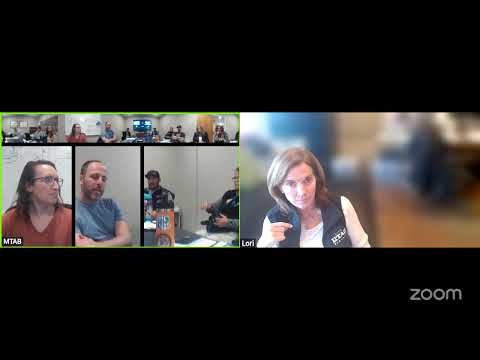
Marggo Zen, lead experience specialist for Canyon Spirit (formerly Rocky Mountaineer), told the Moab Tourism Advisory Board on April 14 that the company’s American routes and marketing push have driven rapid growth in bookings and local hotel stays.
Zen said the operation sold about "8,300 tickets last year" and that "this year, we've already sold almost 13,000 tickets," and described the typical guest profile as largely age 55–75 and often retired or semi‑retired. She said most packages include one or more hotel nights in destination towns such as Moab, and that the company estimates it drove roughly 18,000 hotel nights per destination in recent seasons.
The presentation explained current routing options (Denver–Glenwood Springs–Moab–Salt Lake City, with two‑ and three‑day ticket choices) and that Canyon Spirit is piloting new add‑on routing and a planned expansion. Zen said the company aims to run two trains on the route in 2027, which would "double the nights in Moab, double the people on the train." The company’s stated goal is about 25,000 guests next year if operations and tariff issues are resolved.
Board members asked about local impacts and stressed the meeting record that the advisory board is not endorsing a private product. Discussion covered vendor logistics (loading zones at downtown sites), Thompson Springs passenger transfers where the train connects to buses, employee housing plans the operator is considering, and seasonal timing (daylight‑only travel April–November). Staff and business representatives said the train already appears to be increasing downtown economic activity by sending visitors into local hotels and tours.
The company referenced an influencer partnership during recent arrivals and said increased paid advertising has driven much of the sales growth. Zen described the product as luxury daylight rail travel with glass‑domed cars, onboard hosts and curated local excursions.
Board members and hoteliers welcomed the numbers but emphasized the need to monitor operational impacts (parking, traffic, trash, and staffing) and to coordinate with county and city infrastructure planning. The board encouraged Canyon Spirit to share ongoing logistics and to work with local lodging and transportation partners so communities can prepare for the larger visitor counts expected if the two‑train plan proceeds.
The advisory board did not take an action on the Canyon Spirit presentation; it recorded the update and agreed to remain engaged with the operator and county staff on logistics and community impacts.