Get Full Government Meeting Transcripts, Videos, & Alerts Forever!
Get email alerts on the Baa Operations topic
No spam. Unsubscribe anytime.
Municipal violations hearing spotlights backlog, staffing shortfalls and new automation tools
Summary
At a BAA hearing, agency official Leah Whitmer described expansion of automated ticketing, a self-service portal and kiosks, a backlog of by-mail hearings tied to staffing shortages, a $100,000 pay correction for part-time judges and projected tax-roll rollovers of $500,000–$600,000.
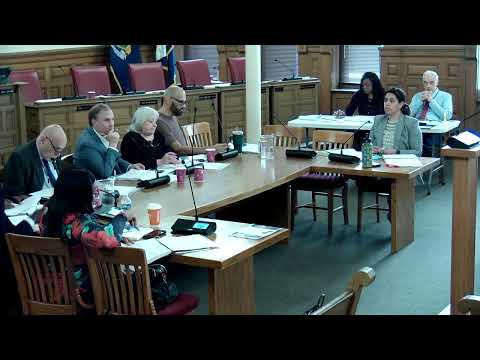
Leah Whitmer, presenting for the Municipal Violations Bureau, told the hearing the bureau is expanding automated enforcement and rolling out a self-service portal (mvb.seattle.gov) and in-office kiosks so people can view evidence, pay or contest electronic tickets and schedule hearings.
Whitmer said automated programs — including a school bus stop-arm ticketing start in May and red-light and school speed-zone tickets beginning after a 60-day warning period in November — have driven higher ticket volume. “As the ticket volume goes up, the disputes go up, even if the dispute rate stays relatively the same,” she said, and the bureau now handles more than 15,000 disputes annually.
The bureau’s adjudication process remains partially manual in IPS for BAA cases, Whitmer said, which has created a backlog concentrated in by-mail hearings. She described ongoing efforts to automate workflows and integrate case handling with AIMS to reduce manual processing and improve throughput. Whitmer said the department is cross-training part-time judges and staff but faces hiring constraints because BAA part-time hearing officers must be licensed attorneys admitted in New York State for certain hearing types.
Staffing and pay issues have compounded delays. Whitmer said a previously approved hourly rate increase for part-time administrative law judges to $158 was not fully implemented, producing roughly a $100,000 variance the department is working with payroll to correct. She also said the city spent about $385,000 on temporary services this year to cover part-time judges and hearing needs.
The backlog affects both residents and codes enforcement. Whitmer said disputes freeze tickets while they are pending so residents do not accrue additional penalties, but codes’ ability to issue subsequent enforcement is paused until the first ticket concludes in the BAA process, which can delay compliance and any potential revenue. She warned that decisions and orders must be issued by a cutoff date for unpaid fines to be rolled onto the property tax roll in the same year; otherwise they wait until the next tax cycle.
On revenue, Whitmer provided rough projections: she estimated $500,000–$600,000 will be rolled onto taxes this year from outstanding adjudication amounts and suggested that, counting ticket receipts and rollovers, BAA-related revenues could exceed $1 million. She also said compliance for certain sanitation and property-code warnings has improved — from about 67% last year to just over 72% this year — because more recipients correct violations after the initial warning.
Council members asked operational questions about returned certified mail, service to out-of-state property owners, and enforcement challenges involving LLC-owned properties. In response to a question about owners using LLCs to avoid fines, Whitmer said such corporate structures complicate enforcement and that deeper legal remedies are handled by the law department.
Whitmer identified ongoing data-cleanup work: staff are manually reviewing IPS cases (with assistance from a staff member, Rose) to verify each step was taken before amounts are marked as rolled to tax so payers see the correct status in the system.
The hearing closed with a request for a motion to adjourn the BAA session; the provided transcript excerpt records the motion request but does not record a second or final vote in the captured segments.