Get Full Government Meeting Transcripts, Videos, & Alerts Forever!
Get email alerts on the National Security Surveillance topic
No spam. Unsubscribe anytime.
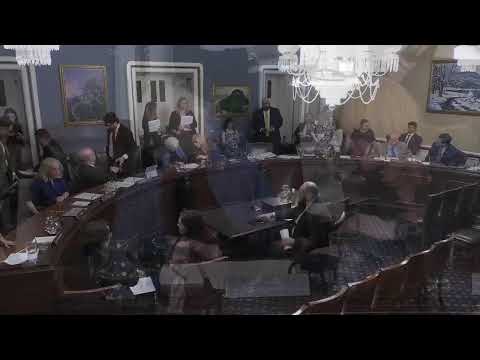
Judiciary witnesses clash over 'clean' 18‑month extension for FISA Section 702
Summary
At the Rules Committee, Judiciary Chairman Jim Jordan urged an 18‑month clean extension of Section 702 of FISA citing recent compliance improvements and ongoing foreign threats; Ranking Member Jamie Raskin urged rejection of a clean extension and pushed for strengthened judicial guardrails, citing dismantled internal watchdogs and risk of abuse.
The Rules Committee heard lengthy testimony from Chairman Jim Jordan (Judiciary) and Ranking Member Jamie Raskin (Judiciary) on proposals to authorize an 18‑month extension of Section 702 of the Foreign Intelligence Surveillance Act. The debate focused on whether to reauthorize Section 702 on a "clean" basis — i.e., without additional statutory warrant requirements for queries of U.S. person content returned under 702 — and whether the executive branch has sufficient internal oversight in place.
Chairman Jordan argued that the 2024 reauthorization's 56 reforms have reduced noncompliant queries drastically, citing a fall from millions to the low thousands and characterized recent reports of noncompliance as largely clerical after reforms. He said short‑term extension is prudent because the nation faces heightened foreign threats and the 702 program is a vital tool for foreign intelligence.
Ranking Member Raskin urged opposition to a clean reauthorization, arguing that the Trump administration removed key internal auditors and oversight personnel and has demonstrated a propensity to politicize surveillance authorities. Raskin warned that reliance on internal self‑reporting and agency assurances without stronger statutory guardrails risks abuse and erosion of Fourth Amendment protections. He urged members to support amendments that would require greater judicial involvement (including a warrant requirement in some proposals) or other enforceable safeguards.
During the exchange, members debated whether the FISA court process and other oversight mechanisms provide adequate accountability and whether a full warrant requirement (as in the Biggs amendment) is feasible without impairing rapid counterterrorism responses. Several members asked for increased transparency, regular reporting, and stronger criminal penalties for willful abuse.
Why it matters: Section 702 is the central foreign‑intelligence collection authority relied upon for surveillance of non‑U.S. targets; how and whether the program is reauthorized has major implications for national security operations and the civil liberties protections for Americans.
What happened in committee: The Rules Committee reported an 18‑month extension rule for H.R.8035 after considering an amendment offered by Representative Biggs that would have required warrants for searches of U.S. person content acquired under 702; the amendment was rejected in committee (recorded roll call reported in the transcript). The committee then reported the rule forwarding the clean extension under a closed rule.