Get Full Government Meeting Transcripts, Videos, & Alerts Forever!
Get email alerts on the Economic Development topic
No spam. Unsubscribe anytime.
Nominee George Romero pitches film board as economic-development tool; court appoints two members to new board
Summary
George Romero told the Montgomery County court his proposed film industry board could attract independent productions and create local technical jobs; the court appointed Romero and Tracy Pierce to three-year terms to the newly established board.
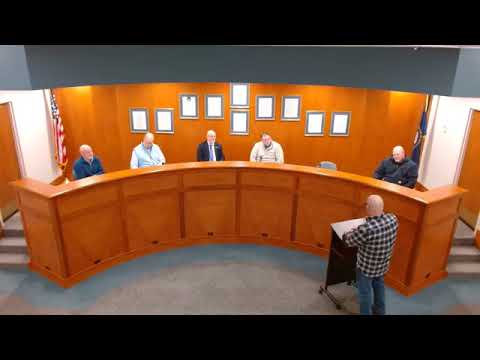
George Romero, introduced to the court on Feb. 18, 2025 as a nominee to the newly created Montgomery County film industry board, told county officials the board could make the county "production-friendly" for independent films and create local job-training pathways.
Romero described state tax incentives and independent film budgets "between a million and $3 million," and estimated that, with phased development and training, the county could create "somewhere between two to 300 jobs" over the next two to three years by supplying local crew and production services. He emphasized practical, technical jobs rather than high-level directing or screenwriting programs.
The court referenced a Dec. 17, 2024 resolution establishing a five-member county film board with appointment authorities split among Montgomery County and several city councils and commissions. After Romero's presentation the court appointed Romero to a three-year term expiring Feb. 18, 2028. The court also appointed Tracy Pierce to a three-year term under the same timeline. Motions to appoint were made by Shane Parker and Ralph Charles and carried by voice vote.
Romero urged officials to consider nonfinancial incentives (streamlined permitting, local coordination and tourism partnerships) to make filming in eastern Kentucky easier and more attractive. He said that once local infrastructure and trained personnel exist, productions looking for rural locations would be more likely to choose Montgomery County.
The court took no fiscal vote to fund the board at the Feb. 18 meeting; the appointments were the court's first step in standing up the board. The court asked staff and members to follow up with implementation details and possible coordination with tourism partners and educational programs.