Get Full Government Meeting Transcripts, Videos, & Alerts Forever!
Get email alerts on the Capital Plan topic
No spam. Unsubscribe anytime.
Planning committee advances year‑one capital plan options, flags three referendum candidates
Summary
The Cheshire School District planning committee reviewed a $7.3 million year‑one capital plan and identified three likely referendum items — a loading dock ($874,000), synthetic turf and track ($2 million) and phased window replacement — directing staff to produce two referendum cost models and follow‑up design estimates.
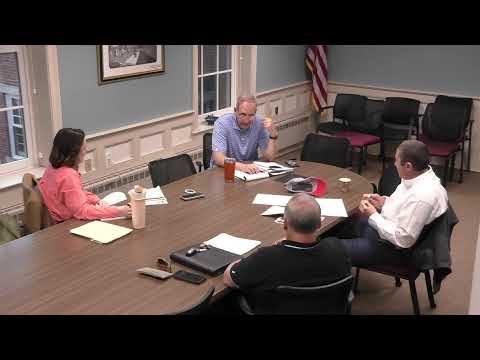
The Cheshire School District Planning Committee on Monday reviewed a proposed $7.3 million year‑one capital program and discussed which projects should be placed before voters.
Miss Taylor, who led the meeting, said staff drafted the year‑one list to allow the planning committee to refine the package for a potential July or August approval timeline and noted there would be no motion that night. The draft lists three likely referendum candidates: a loading‑dock reconstruction estimated at $874,000, a synthetic‑turf and track replacement estimated at $2 million and initial phases of a window replacement program that staff estimated would be roughly $1.9 million spread over multiple years (about $500,000 shown in year one).
Why it matters: These three items would add substantially to the district’s capital ask and are likely to be scrutinized by voters. Committee members said they wanted clearer, communicable plans before voting to send large items to referendum.
Rich, identified in the meeting as the district’s director of facilities, described the loading dock at the high school as currently supported by temporary shoring ("dunnage") and showing exposed, corroding rebar. "As long as we have the dunnage underneath it'll stay put," Rich said, but he cautioned that "two years would be pushing it," meaning the temporary measure was not a long‑term fix. He recommended a design separately scoped for the loading dock if the committee wanted to separate flood‑mitigation work from dock reconstruction; he estimated separate design work at roughly $50,000.
Committee members said that while refrigeration equipment for food service (which can be funded through food‑service grants) might reduce some recurring costs, appliances and equipment grants do not cover construction of a loading dock. One member stressed the need to present a clear plan to the public, including a community outreach campaign targeted at PTAs, Rotary and other groups, before placing large items on the ballot.
On timing and cost impact, staff provided a rough taxpayer‑cost example using current mill rates: the loading dock at $874,000 would cost about $22 per $100,000 of assessed value under the assumptions shown; a $2 million turf/track project would be roughly $50 per $100,000. (Staff described these as back‑of‑envelope estimates subject to bonding, exact assessed values and final mill rates.)
What’s next: Staff will prepare two models for the committee’s next meeting — one that defers major referendum items and one that places them in year‑one — and will supply targeted design estimates (including a $50,000 estimate to redesign the loading dock separated from flood work). The committee adjourned after directing these follow‑ups.
The meeting contained no formal votes to place projects on the ballot; members repeatedly emphasized the need for clearer cost breakdowns and a public outreach plan before recommending referendum placement.