Get Full Government Meeting Transcripts, Videos, & Alerts Forever!
Get email alerts on the Education Programs topic
No spam. Unsubscribe anytime.
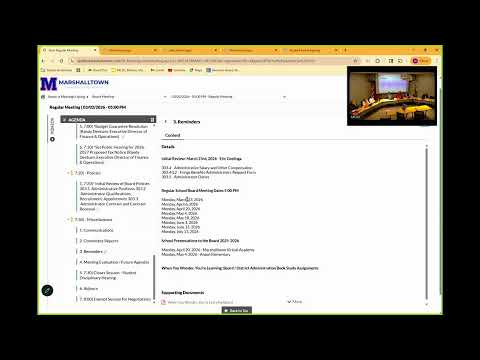
Authors of 'When You Wonder You're Learning' join Marshalltown board to discuss Fred Rogers' learning-science legacy
Summary
Authors Ryan Redzeski and Greg (executive director, Greyel Foundation) spoke to the board about applying Fred Rogers’ intentional learning practices in schools, answered trustees’ questions and discussed how the book has resonated with educators and families.
Authors Ryan Redzeski and Greg, who co-wrote When You Wonder You're Learning, visited the Marshalltown board to discuss the book’s premise — that Fred Rogers practiced a form of learning science — and to take questions from trustees and district leaders.
Ryan described the book’s reception and the effect it had on many readers during the pandemic; Greg summarized the authors’ research into Rogers’ methods and why they framed him as a learning scientist. A recurring theme in the discussion was accessibility: authors said they intentionally presented Rogers’ methods so educators and parents could apply them, rather than placing his methods behind an inaccessible narrative.
Trustees asked about practical takeaways for classrooms, how to address student isolation in an age of devices, and whether the authors would change their marketing. Ryan said he has often heard readers describe the book as restorative, and Greg discussed the authors’ examples of classroom and community applications. The authors praised Marshalltown’s instructional work and encouraged continued local application of the book’s practices.
The visit included audience questions from board members and staff; the authors noted that readers had reported unexpectedly strong personal responses to the book and that they are collecting classroom examples for possible future editions or companion resources.