Get Full Government Meeting Transcripts, Videos, & Alerts Forever!
Get email alerts on the Governance Prayer Policy topic
No spam. Unsubscribe anytime.
Detroit Lakes council rejects formal prayer policy, then rescinds earlier vote authorizing invocations
Summary
The Detroit Lakes City Council voted down a proposed policy to govern prayers before meetings 5–3, after which the council voted to rescind a prior motion authorizing invocations; the debate exposed divisions about inclusivity and municipal risk management.
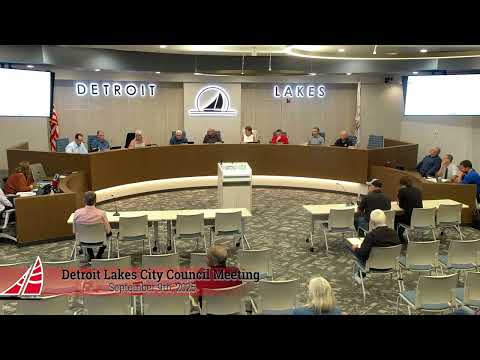
The Detroit Lakes City Council on a 5–3 roll call vote rejected a proposed policy that would have formalized prayer or invocations before council meetings, then voted in a separate motion to rescind the council’s earlier decision to have invocations at meetings.
Council member Craig read a prepared statement explaining his change of heart and urging neutrality in government spaces. "I no longer feel that we should pass a policy regarding prayer at city council meetings," Craig said, adding he had spoken with local pastors and reflected on potential divisiveness.
Supporters said invocations reflected personal faith and community tradition. "When our faith is weak in our country, our country is also weak," one council member said in defense of continuing invocations. The mayor clarified the first vote was on adopting a formal policy to govern invocations; the second motion was a separate, binding move to rescind the council’s prior authorization to hold invocations.
The first motion (adopt policy) failed on a roll call that recorded five opposing votes and three in favor. A later motion to rescind the original authorization to have invocations passed 6–2 on roll call.
Council members discussed the legal and reputational risks of formalizing invocations and whether a written policy would reduce liability. The mayor and city attorney were cited as available resources if members wanted clarification about the legal status of public invocations.
The council’s action removes the standing authorization for invocations but does not ban private prayer by individuals. Next steps suggested by members included returning with revised language or bringing the issue back if members sought a different approach.