Get Full Government Meeting Transcripts, Videos, & Alerts Forever!
Get email alerts on the Human Resources Restructuring topic
No spam. Unsubscribe anytime.
Bonner County commissioners ask for more analysis on HR reorganization plan
Summary
Commissioners reviewed an HR staff proposal that would shift the department from three full‑time generalists to two generalists plus a part‑time administrative assistant, a change HR estimates would save about $45,500 (≈13%). The board requested a side‑by‑side analysis of three options — keep current structure, hire a director, or outsource — and gave staff direction to clarify interim duties; no formal action was taken.
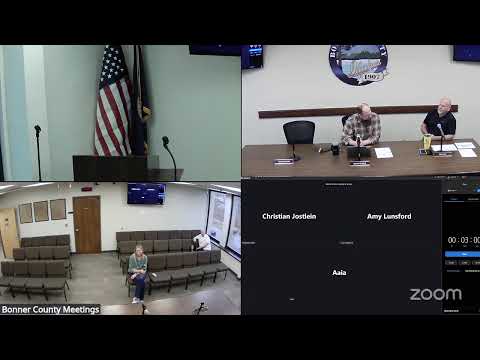
Bonner County commissioners met April 13 for a special session to review a staff proposal to reorganize the county Human Resources department and to consider whether some or all HR functions should be outsourced. The board asked for more analysis and did not adopt any changes.
The HR proposal presented to the board would preserve a four‑position staffing model but change its composition: a director, two generalists and a part‑time Administrative Assistant III. The part‑time role was described as averaging about 24 hours per week, rising to about 30 hours during six pay periods that coincide with heavier benefits processing. The accompanying budget analysis estimated roughly $45,500 in annual savings, about 13 percent of current HR costs, if the reorganization were adopted.
Why it matters: commissioners said the proposal could yield cost savings but raised concerns about workload, continuity and the effect on current employees. Several members stressed that a reorganization carried the risk of displacing or demoting an existing full‑time employee if a new director were hired or if duties were redistributed.
Board members framed three options for evaluation: maintain the current organization and fill the vacant director role; adopt the HR staff reorganization as proposed; or outsource the HR department to an external provider. The board asked staff to prepare a side‑by‑side comparison of the three options (pros, cons and costs) before making a final decision.
On interim management and accountability, commissioners directed clearer documentation of day‑to‑day responsibilities while the evaluation proceeds. Jessica Stephanie, speaking for staff, urged that when the board authorizes stipends for employees doing additional duties, the county should document the specific duties and the stipend amount. "What the stipend is is essentially covering" the additional responsibilities, she said, arguing the documentation helps set clear expectations and accountability.
Several commissioners said they wanted to avoid leaving HR staff in limbo. One commissioner suggested a temporary assignment of duties (and holding off on filling the part‑time position) so the current team could demonstrate how it manages workloads while the evaluation is completed. Another commissioner noted that job‑description changes are formally a board matter and that any interim clarifications should be brought back to the board for confirmation.
Assessor Dennis Inglehart urged the board to consider hiring an independent consulting firm to assess HR needs and recommend whether in‑house reorganization or outsourcing would better serve the county. "I strongly suggest" getting an independent assessment, Inglehart said, noting long‑running frustrations in the HR office and arguing that an outside vendor could remove the commissioners from direct management of personnel questions.
Commissioners discussed whether existing HR staff meet the qualifications for a director role (years of experience and required degrees). They agreed staff qualifications should be reviewed as part of the analysis. The board also noted the recent months had been atypical for HR workload and said that context should be considered before making structural changes.
The chair asked whether the board wished to move into executive session to discuss personnel; commissioners declined. With no formal motions or votes on the reorganization, the board adjourned at 9:30 a.m. and directed staff to return with a side‑by‑side evaluation of the three options and written interim duty clarifications for HR employees.
Next steps: the county will prepare the requested comparative analysis and written interim duties for the board to review at a future public meeting.