Get Full Government Meeting Transcripts, Videos, & Alerts Forever!
Get email alerts on the Complete Streets topic
No spam. Unsubscribe anytime.
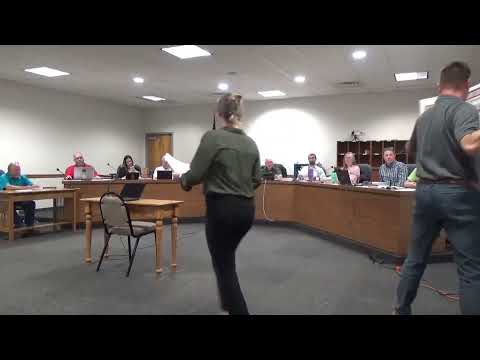
Council agrees to advertise Complete Streets ordinance after heated debate over scope and local fit
Summary
After extended debate about scale, cost and local appropriateness, New Freedom Borough Council voted to authorize advertisement of a Complete Streets ordinance and accompanying resolution, with a correction to a project cross-street and repeated assurances the policy is advisory and does not by itself obligate the borough to spend funds.
Council members voted to authorize advertisement of a Complete Streets ordinance and a supplemental resolution after more than an hour of discussion about whether the framework — developed regionally and advocated by groups such as Smart Growth America and AARP — is appropriate for the two-square-mile borough.
Supporters said the ordinance establishes a consistent policy and priority project list that strengthens grant applications and ensures new projects consider pedestrians, bicyclists and accessibility. "This does not obligate the borough to spend money other than ordinance advertisement," a staff presenter told the council, emphasizing that any actual construction would return to the council for approval.
Opponents warned the model policies are written for larger cities and could create an administrative burden and cost pressure if applied without local tailoring. Council member Erica said in the discussion, "I'm getting to a point where this is more than New Freedom needs," voicing concern that the framework would be disproportionate to the borough's small size, limited staff and low crash volume.
The solicitor explained the use of the word "equitable" in the resolution, saying it gives the borough flexibility to consider differing user needs rather than requiring identical treatment for all streets. Staff also said the county planning commission and a Southern Regional Police Department advisory officer supplied crash and prioritization data used to develop the attached project list.
The motion to authorize advertisement — with a minor typographical correction to one project's cross street — moved forward after members clarified that the ordinance would remain advisory, that priority project lists can be re-ordered by the borough and that any spending would require a later council vote. The council directed staff to correct the typographical error and proceed with advertisement.