Get Full Government Meeting Transcripts, Videos, & Alerts Forever!
Get email alerts on the Data Centers topic
No spam. Unsubscribe anytime.
Sunbury council adopts temporary moratorium on data centers after hours of public opposition
Summary
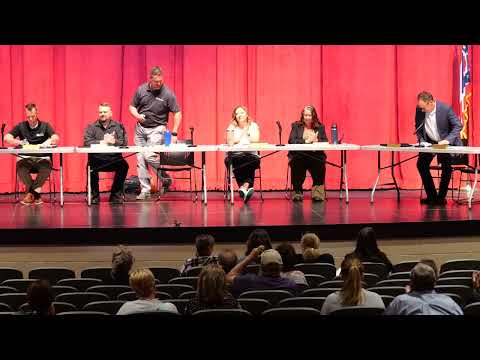
After more than an hour of public comment urging stricter limits and questioning the independence of a city-led study, Sunbury City Council voted 6-0 on April 15 to impose a temporary moratorium on data center development through Jan. 31, 2027 while the administration reviews applicable codes and regulations.
Sunbury City Council voted unanimously April 15 to adopt a temporary moratorium on data-center construction, zoning certifications and rezonings in the city through Jan. 31, 2027, after residents pressed the council for stronger protections and greater oversight of the study the moratorium directs the city to undertake.
The moratorium (Resolution 2026.12) was introduced at the meeting and, by motion of Councilmember Kappell with a second from Councilmember Grumy, the council suspended the rules and approved the measure by roll call vote — six in favor, none opposed. The resolution directs the city manager to begin a study reviewing federal, state and local regulations and the city’s ordinances related to data centers and related infrastructure.
Why it matters: dozens of residents used the meeting’s visitors period to urge swift action, citing concerns about air and water pollution, low-frequency noise, lighting, wildlife impacts and the scale of industrial zoning near residential areas and reservoirs. Many speakers said they opposed the project proposals in principle and urged council to go beyond a temporary pause.
Residents pressed for specific protections and independent oversight. Samantha Shriner told council residents are "deeply worried about the proposed data centers and industrial complex and their potential to impact our health and quality of life," and asked whether the city would "mandate these forever-chemical-free alternatives and zero-discharge systems," adopt stricter noise standards that address low-frequency vibrations, and prohibit fossil-fuel generators in favor of cleaner backups.
Several speakers cited the size of proposed industrial zoning (speakers referenced about 1,300 acres) and large private investments (figures discussed during public comment ranged up to $2 billion). Leanne Lander told council a moratorium is needed because environmental impact studies take time and because "it matters who does the study" and who interprets its findings. Francesca Parker demanded that council, not staff, define the study's scope, select independent experts, and commit to public forums, telling the council: "Who defines the scope of this study and will that scope be made public in writing before the study begins?"
Parker also raised allegations about the city manager’s past actions in another jurisdiction and argued that delegating the study to city management presented "a problem and a huge conflict of interest." The city manager, Daryl Hennessy, was referenced repeatedly during public comment; the meeting record does not contain a direct response from Hennessy to those allegations during the April 15 session.
What the moratorium does: the adopted resolution prohibits approval of new data-center establishments, construction of related buildings or structures, zoning certificates, changes of use, or rezoning that would enable data centers through Jan. 31, 2027. It directs the city administration to review applicable federal codes, Ohio statutes and the city's codified ordinances and to report back; it does not, by itself, specify the independent experts or the detailed scope of the study.
Council reaction and next steps: Council approved the moratorium on the same night it was introduced after the motion to suspend the rules carried. Several residents told the council that the moratorium would be meaningless unless the council itself sets the study scope, selects independent reviewers, and holds public meetings during the study period. The resolution places the study responsibility with the city manager; residents demanded written scope and public oversight before the study begins. The transcript does not show the council defining those items on April 15.
Context: speakers referenced actions and regulations in other states (including Virginia) where communities have tightened noise limits, added controls on generators and required special approvals for large data centers. Residents also cited litigation in other jurisdictions as precedent for remedies taken elsewhere.
What happens next: the moratorium is in effect through Jan. 31, 2027. The resolution directs the city manager to conduct the study and report as required; residents at the meeting demanded that council assert greater control over the study's scope and vendor selection. Council’s next meeting is scheduled for April 29, 2026, when residents indicated they will continue to press for specific commitments.