Get Full Government Meeting Transcripts, Videos, & Alerts Forever!
Get email alerts on the Homelessness topic
No spam. Unsubscribe anytime.
‘A Place to Call Home’ reports first-year results: 578 households served, 132 people exited from homelessness
Summary
Hannah Jared presented a year-one update for A Place to Call Home, saying the initiative served 578 households and played an active role in exiting 132 people from homelessness while expanding shelter, transitional housing and partnerships. The presentation outlined service capacity, funding gains and next steps for volunteer and landlord engagement.
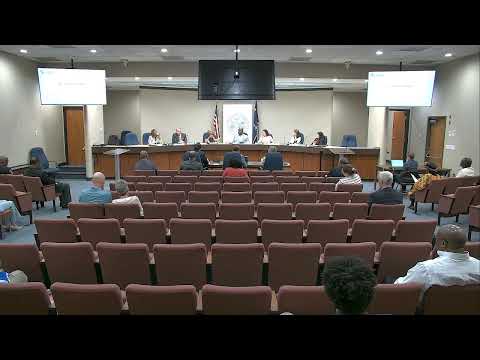
Hannah Jared, presenter for A Place to Call Home, told the Spartanburg City Council on April 13 that the first year of the initiative had produced measurable results and expanded community capacity to serve people experiencing homelessness.
Jared said the coalition estimates about 3,000 people experience homelessness in Spartanburg County on any given night and that roughly half of those are children. She reported the community currently has about 170 shelter beds, about 175 transitional housing beds, and nearly 4,000 housing vouchers with a 3-to-5-year waiting list. “Since late March 2025, we have served 578 households — a little over 1,000 people — and we have played an active and ongoing role in exiting 132 people from homelessness,” Jared said.
The presentation credited a combination of added staff capacity (the program now employs 10 people), a steering committee, expanded case conferencing, a HEART outreach team with a 17-passenger bus for transportation needs, a landlord engagement strategy and partnerships with local providers for mental-health services. Jared said the program leveraged city seed funding into $3.5 million in non-city funding and increased local shares of Upstate Continuum of Care dollars from about 2.4% to 17%.
Council members asked for operational detail. Councilwoman Smith asked how the HEART transportation service is used; Jared replied that clients engaged with case management can use scheduled rides for work, appointments and other needs and that staff schedule routes about a week in advance. Councilman Brown asked about eviction histories and legal barriers; Jared said a bipartisan state bill on eviction sealing could remove served-but-not-filed evictions from records and that the local program uses tenant education, legal referrals and a Welcome Home Network to negotiate exceptions with landlords.
Jared described a pilot plan to expand volunteer and financial-wellness programming through community centers, and she asked council to refer residents to the program’s contact number (864-591-4417) for direct assistance. Council members commended the team’s progress: Councilman Foreman noted the reported metrics and the city’s $750,000 seed investment that was leveraged into additional funding.
The presentation concluded with Jared inviting council and the public to upcoming educational events — including a housing summit and an annual homeless memorial — and listing volunteer opportunities for both one-time activities and ongoing family-shelter roles that require background checks and training.
The council did not take a formal vote on the update; the presentation closed to questions and moved on to the consent agenda.