Get Full Government Meeting Transcripts, Videos, & Alerts Forever!
Get email alerts on the Teacher Compensation topic
No spam. Unsubscribe anytime.
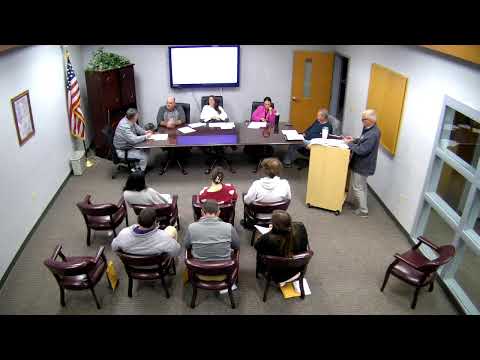
Trousdale County board removes chronic absenteeism from teacher bonus rubric after 3–2 vote
Summary
After a split vote, the Trousdale County Board of Education removed the chronic absenteeism measure from the 2024–25 teacher bonus rubric and tabled decisions on ACT and FAFSA indicators for more data.
The Trousdale County Board of Education voted 3–2 to remove the chronic absenteeism rate from the 2024–25 schoolwide teacher bonus rubric, following a lengthy debate about whether the measure fairly reflects teachers’ control over student attendance.
Miss Petty, a board member, moved to remove the chronic absenteeism item from the rubric: "I make a motion to remove the chronic AB T rate piece from the schoolwide Benchmark rubric," she said before the motion was seconded by Mr Atwood. The motion carried 3–2. The board did not record an itemized roll‑call in the meeting transcript beyond the tally and that two members opposed the change.
Supporters of removal argued that chronic absenteeism can reflect family and transportation barriers beyond a teacher’s influence and that including it in pay calculations could unfairly penalize staff. Opponents said the metric focuses attention on attendance and student outcomes and cautioned against eliminating a lever that keeps attendance visible to educators and administrators.
During the same discussion, the director recommended considering replacing the FAFSA‑completion indicator with a student‑focused metric such as average ACT score to better reflect student academic readiness for postsecondary education. Board members debated whether FAFSA completion — a process that requires parental action in many cases — is an appropriate performance measure for teachers.
Ultimately the board approved the remaining items on the rubric while removing the ACT and FAFSA indicators from that vote and tabling them for further review; members set those indicators for discussion at the December meeting. The board packet and the director’s presentation were cited during debate but no additional formal actions were taken on FAFSA or ACT at this meeting.
The decision changes the rubric that will guide teacher bonuses for the coming year and shifts the conversation toward finding indicators that reflect teacher influence, student opportunity, and measurable postsecondary outcomes. The board scheduled further data review of FAFSA and ACT indicators for next month.