Get Full Government Meeting Transcripts, Videos, & Alerts Forever!
Get email alerts on the Discipline topic
No spam. Unsubscribe anytime.
CHSD 94 presents discipline improvement plan to address fighting and racial disproportionality
Summary
Committee reviewed suspension data (56 OSS this year; fighting accounted for 57% of OSS) and a discipline improvement plan submitted to the Illinois State Board of Education that includes MTSS timelines, PRIDE behavior expectations, restorative options and work to reduce racial disproportionality.
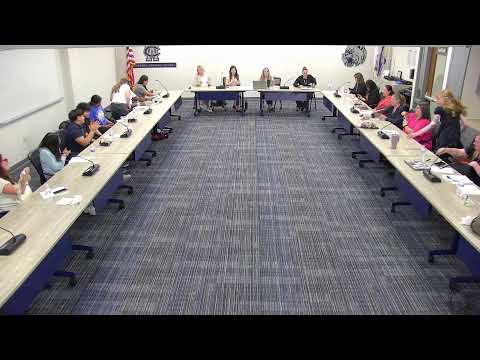
At the April 14 Parent‑Teacher Advisory Committee meeting, district staff reviewed suspension trends and outlined components of a discipline improvement plan the district submitted to the Illinois State Board of Education (ISBE).
Jenna Wint summarized recent discipline data and said the district recorded 56 out‑of‑school suspensions this year. Fighting accounted for a majority of OSS incidents and was identified as the biggest driver of out‑of‑school suspensions; staff reported nine fights in February and March that led to 18 suspensions. Wint said the district is exploring alternatives to OSS for certain incidents and plans to emphasize peer conflict mediation and restorative conversations.
The presentation included an explanation of in‑school suspension (ISS) drivers: truant‑to‑class and tardiness together account for a substantial share of ISS incidents. Staff and teachers discussed the locked‑door policy (implemented for safety) and its effect on tardiness and classroom disruption; teachers argued that brief late arrivals are less disruptive than chronic tardiness, while the policy aims to maintain building safety and consistent expectations.
The district described a behavior committee that is developing a matrix of expected behaviors under the acronym PRIDE (Prepared, Respectful, Integrity, Disciplined, Engaged) and plans to teach those expectations explicitly in DEN and other settings. Staff said they will use data to schedule DEN lessons and interventions and involve students in peer instruction.
Wint told the committee the district had submitted a long discipline improvement plan to ISBE that addresses suspensions, racial disproportionality and MTSS timelines. She said students of color had been overrepresented in discipline and that the district’s analysis shows a remaining disproportion of about 3 percent; the plan includes continuous review, restorative practices after suspensions, and targeted tier‑two/three interventions.
Committee members and parents raised questions about consequences tied to extracurricular eligibility. Participants noted IHSA rules requiring passing five classes for eligibility and discussed how removing extracurricular privileges can be a motivation for some students. Staff also noted ongoing efforts to track disciplinary trends by demographic group, feeder school and program and to coordinate with feeder districts to identify students who may need early support.
Next steps: behavior committee will meet to finalize the PRIDE matrix and DEN lesson schedule; staff will use discipline and attendance data to identify periods or classes with elevated absence or misbehavior rates; the district will proceed with the ISBE plan implementation and continue monthly committee reviews.