Get Full Government Meeting Transcripts, Videos, & Alerts Forever!
Get email alerts on the Public Safety topic
No spam. Unsubscribe anytime.
Fire department warns foam removal and training mandates strain local capability
Summary
Hawthorne fire representative reported a record pace of calls in 2026, a grant for swift‑water training, and warned that state removal of legacy firefighting foam left departments without effective agents for fuel fires and raises operational concerns for tanker and EV fires.
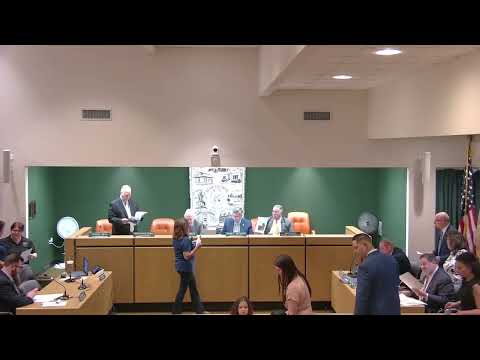
A representative of Hawthorne’s fire service delivered a detailed public report April 15, saying the department has responded to 237 calls for aid so far in 2026 — a record pace — and warned that several state and federal policy changes are straining local firefighting capability.
The speaker (identified in the meeting as the fire department representative) said mutual‑aid requests have increased, the department’s newly introduced secondary assistant chief units reduced some response stress, and training for state‑required certifications (including fire‑ground instructor and hazmat incident command) is planned for the coming months. The speaker asked for funding and county/state support for added training hours and certification requirements.
A major operational issue raised: the removal of legacy AFFF (aqueous film‑forming foam) containing PFAS (described in the transcript as “POS” foam) by state authorities. The speaker said the borough surrendered about 240 gallons rather than assume the cost of disposal, and that disposal required borough personnel to transport the foam to another county. The department warned that, without legacy foam, firefighters are limited when responding to fuel/tanker fires and that the new “green” foams being tested have not performed acceptably in some large‑scale tests cited by the speaker.
The department also noted a federally funded (Department of Homeland Security) swift‑water/flood‑water training grant (approximately $23,000–$26,000) in the pipeline and said the borough hopes to use an empty PS Motors building for training exercises once vacated. The speaker discussed electric‑vehicle lithium‑battery fires as a separate operational challenge, saying they often require different tactics and long durations to extinguish.
Why it matters: The combination of higher call volume, new certification and training requirements, removal of legacy foam, and the growth of EVs and hazardous materials passing through borough rails and roads presents readiness and budgetary challenges for a largely volunteer and partly paid regional fire system.
What’s next: The fire department will pursue certifications and training in 2026, seek county and state support for equipment and funding, and work with council and administration to address the operational gaps identified.