Get Full Government Meeting Transcripts, Videos, & Alerts Forever!
Get email alerts on the Charter Transmittal topic
No spam. Unsubscribe anytime.
Charter revision commission forwards draft to city clerk amid concerns the ethics chapter is unfinished
Summary
The Bridgeport Charter Revision Commission voted to transmit its draft report to the city clerk to begin the statutory review period, even as several members said the ethics chapter and other sections were not yet in final form and sought assurances they could address remaining issues after the council review.
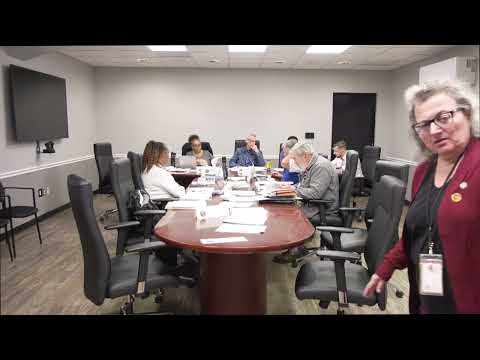
The Bridgeport Charter Revision Commission voted at the evening meeting to refer its draft report to the city clerk so the city’s 45-day review period can begin, even as several commissioners warned the document is not complete and said they want the chance to make further edits after the council’s review.
Members opened the meeting by identifying the draft report as Exhibit 1 and reviewing the agenda: finish necessary votes and hand the draft to the city council and clerk. Commissioners said they had worked through much of the ethics chapter in prior sessions but that redlined text and new insertions remained in the draft. Several members urged caution about sending a “half-baked” document to the clerk without resolving outstanding language.
Staff and commissioners discussed the transmittal process at length. Under the charter and state statutory sequence cited in the meeting, once the commission files its draft with the city clerk the appointing authority must hold at least one public hearing no later than 45 days after submission and has 15 days after its last hearing to submit recommended changes to the commission. The commission then has up to 30 days to issue a final report back to the appointing authority. Commissioners repeatedly sought clarification about whether the appointing authority could reopen sections the commission had not edited; staff said the council may make recommendations on sections it chooses, and if the council makes no recommendations on a section the commission’s draft stands as final for that part.
During deliberations the commission approved a sequence of procedural votes on charter language and section deletions (see "Votes at a glance" below). Commissioners debated whether specific policy items, such as aspects of the ethics chapter, should remain in the charter or be handled by ordinance; others warned that language added by editors that had not been discussed in committee should be identified and corrected.
A motion to refer the draft report to the city clerk carried by voice vote; commissioners scheduled follow-up work to compile a list of outstanding edits and to prepare for the council’s public hearing and subsequent 15-day recommendation window. The commission’s chair asked staff to attempt to deliver an electronic copy to the clerk within hours so the statutory clock could start without delay.
Why it matters: transmitting the draft begins a statutory sequence that limits the commission’s ability to unilaterally re-open sections unless the appointing authority (the council) makes recommendations. Commissioners who opposed sending the draft without finishing edits said they feared portions they do not endorse could nonetheless proceed if the council does not act. The council’s handling of the draft — whether to re-propose questions on the ballot or to recommend edits — will determine which portions of the charter change remain subject to later revision.
Votes at a glance
- Motion to refer the draft report to the city clerk for transmittal to the appointing authority: approved by voice vote (motion and second recorded; roll-call not recorded on transcript). The transmittal starts the appointing authority’s 45-day public hearing period and the subsequent 15/30-day windows described above.
What’s next
The commission will compile outstanding edits and prepare for the council’s public hearing. Commissioners said they expect the council to review and likely return recommendations; the commission then plans to reconvene and respond within the statutory time frame.