Get Full Government Meeting Transcripts, Videos, & Alerts Forever!
Get email alerts on the Ethics Public Comment topic
No spam. Unsubscribe anytime.
Residents criticize mayor’s past social-media language during Isanti City Council public comment
Summary
At the Isanti City Council meeting, residents accused the mayor of using dehumanizing language on social media and urged his removal as a school liaison; the mayor acknowledged a past mistake but no formal action was taken. Public commenters called for accountability and staff offered follow-up options.
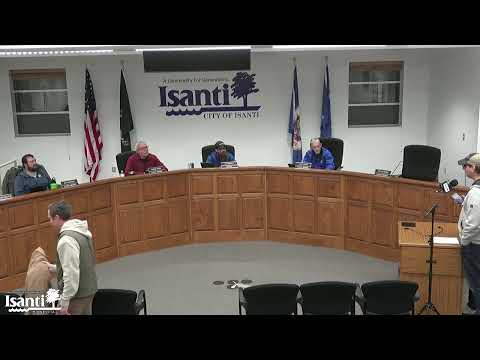
Josh Bosma, a resident speaking during the public-comment period, told the Isanti City Council that a social-media post the mayor had linked to from his mayoral page compared marginalized people to historical atrocities and was unacceptable for an elected official. "You don't get to hide behind that," Bosma said, calling the mayor's language “abhorrent and disgusting” and asking the council to remove the mayor as the school-district liaison.
The mayor responded at the meeting that the post dated from about a year earlier and that he regretted some of the words he used. "I fully acknowledge that. I've been working on that," he said, adding that the post was written during a difficult transition into the office.
Teacher and resident Erica Zadon followed, saying that similar language on a teacher's personal account would prompt disciplinary action in a school setting and urging the council to consider how residents perceive city leadership. "Personal or not, we're still all citizens of Isanti and we would like to be looked at positively and with respect," Zadon said.
Council members did not take formal disciplinary action during the meeting; the comments were heard during public comment and generated discussion about community expectations. Staff and council members encouraged dissatisfied residents to follow up with city staff if they wanted additional steps or documentation of complaints.
The public-comment segment concluded without a council motion to change the mayor’s liaison appointment; the council moved on to other agenda business.
Why it matters: Public-comment periods are the formal place for residents to raise concerns directly to elected officials. The complaints at this meeting centered on the mayor’s fitness to hold an education-facing liaison role, and they may prompt further constituent correspondence or follow-up by the council or city staff.