Get Full Government Meeting Transcripts, Videos, & Alerts Forever!
Get email alerts on the Fit Tool Demo topic
No spam. Unsubscribe anytime.
Fairfax County Green Business Partners demos FIT Tool for tracking vehicle fuel use and emissions
Summary
Fairfax County Green Business Partners presented a demo of the Facilitated Impact Tracking (FIT) Tool, showing businesses three ways to enter vehicle and equipment fuel data (fuel consumption, miles traveled, or dollars spent), how the tool estimates emissions, and where summaries appear.
The Fairfax County Green Business Partners Program demonstrated the Facilitated Impact Tracking (FIT) Tool on a recorded demo session, explaining how traditional businesses can enter vehicle and equipment fuel-use data to calculate consumption and greenhouse gas emissions. The presenter for the Fairfax County Green Business Partners Program led the walkthrough and described three accepted data-entry methods.
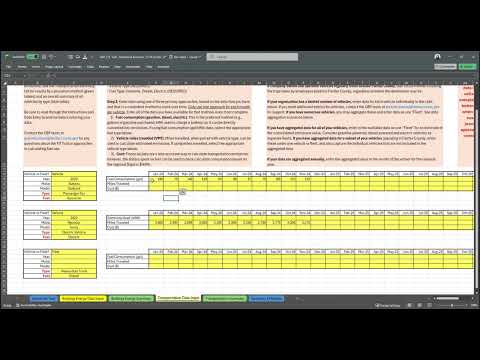
The presenter said, "This demo will cover how traditional businesses can use the FIT Tool to enter data related to fuel use, including vehicles and equipment," and added that users should enter data into the yellow cells shown on the screen so the tool can "automatically total your consumption and greenhouse gas emissions." The demo targeted traditional businesses operating in commercial or shared spaces and directed home-based businesses to a separate demo for transportation-related fuel use.
The presenter outlined three methods to record fuel use and recommended the first when possible: tracked fuel consumption, such as entering gallons of gasoline or diesel purchased or kilowatt-hours used to charge electric vehicles. "This is the method we recommend if possible because it can provide the most accurate emissions results," the presenter said, noting fuel card data as a common source.
If fuel consumption is not available, the presenter said businesses may instead enter vehicle miles traveled, but cautioned to "select the correct vehicle type in the tool since emissions are estimated based on both the miles and the type of vehicle." As a third and less precise option, the tool accepts dollars spent on fuel; the presenter explained the tool will estimate fuel volumes using average regional cost per gallon or per kilowatt-hour when users enter spending data.
The demo emphasized data-entry rules: use only one method per vehicle or fleet in a given month; record gasoline-powered, diesel-powered, and electric vehicles as separate fleets; and, if entering aggregated annual data, place that aggregated value in December for the relevant year. The presenter also recommended including trips taken by Fairfax County–based employees even when travel goes outside the county.
Users were shown where results appear: the tool's green transportation summary tab displays totals by fuel type and calculation method in green tables, and a blue table provides an overall summary across all vehicles and equipment by fuel type. The presenter encouraged participants to fill in any available data, saying, "Any data is better than no data when starting your sustainability journey," and pointed to the GBP Membership Resources page for additional videos and resources, adding that the GBP team can be contacted for assistance with more entry slots or questions.
The FIT demo supplied practical entry guidance but did not enact policies or votes. Businesses seeking to reduce fleet emissions can use the tool to track baseline fuel use and to compare results over time. The GBP team was listed as the contact point for follow-up questions and technical help.