Get Full Government Meeting Transcripts, Videos, & Alerts Forever!
Get email alerts on the State Funding topic
No spam. Unsubscribe anytime.
State legislators tell Templeton they are pressing to restore rural aid but warn limits on quick fixes
Summary
Sen. Durant and Rep. Lot told the Templeton Advisory Committee the Student Opportunity Act and Chapter 70 implementation have increased school aid but left unresolved disparities for rural towns; they urged regional cooperation and long-term reforms while warning that pension and budget constraints limit immediate increases in local aid.
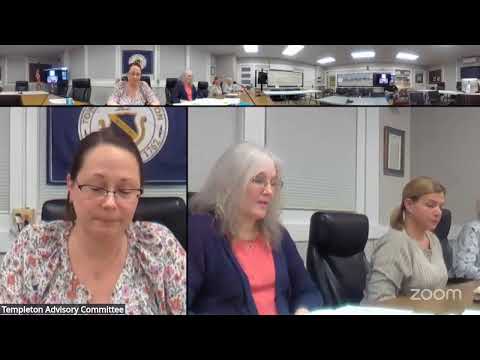
Sen. Durant and Rep. Lot briefed the Templeton Advisory Committee on April 16, saying recent state budget work has restored some school aid but that deep, structural funding disparities remain for rural communities.
The legislators described the end of the Student Opportunity Act implementation phase and an upcoming reassessment of the Chapter 70 school-funding formula. “We’re in the final year of implementation of the Student Opportunity Act,” a legislator told the committee, and the law requires a follow-up review of the Chapter 70 formula once implementation ends. They said that Chapter 70 had brought significant funding increases to many districts during implementation, but that the existing formulas and geographic patterns still leave towns like Templeton disadvantaged.
The visit also focused on unrestricted local aid and rural-aid programs. Advisory committee members and residents pressed the legislators about Payment in Lieu of Taxes (PILOT) for state-owned land and the town’s place in the statewide allocation. N. Francis, whose emailed public comment was entered into the record, wrote that the town’s relationship with the state is “dysfunctional” and demanded changes to local aid and PILOT rates.
Legislators acknowledged the complaints and described competing pressures in the legislature: large long-term obligations such as the state’s unfunded pension liabilities, statutory deadlines tied to pension paydown, and the political reality that some revenue proposals are unlikely to win majority support. They said there is work underway in both chambers to restore and increase rural aid lines the House had reduced in its Ways and Means draft, but they cautioned that fiscal limits, pension obligations and other priorities make it difficult to promise sweeping, immediate relief.
On school transportation and district funding, legislators said the state has wrestled with whether to fund transportation at or near 100 percent and noted concerns that fully state-funded services can remove local pressure to control growth in service costs. “If you fund it at 100 percent, there’s no check on it,” one legislator said, summarizing the concern cited in the chamber.
The lawmakers encouraged local strategies that reduce costs and increase capacity, including more regionalized services for housing, dispatch and some back-office functions; they also urged local advocacy to press for reexamination of apportionment rules and to build broader regional coalitions in the legislature.
The committee left the session with an understanding that state-level changes are incremental and politically fraught: several of the reforms residents requested are under discussion, but substantial new recurring revenue for towns will be difficult to achieve quickly, they said.
What’s next: the committee will continue to track Chapter 70 reassessment and rural-aid negotiations as the Legislature completes the fiscal year budget process and as the pilot commission on payments begins its work.