Get Full Government Meeting Transcripts, Videos, & Alerts Forever!
Get email alerts on the Sanitary Sewer topic
No spam. Unsubscribe anytime.
Troutdale council adopts code changes to curb grease buildup in sewer system
Summary
At its April 14 meeting, the Troutdale City Council unanimously adopted revisions to chapter 12.07 of the Troutdale Municipal Code to tighten sanitary sewer pre-treatment requirements and reduce FOG-related (fat, oil and grease) overflows and maintenance costs.
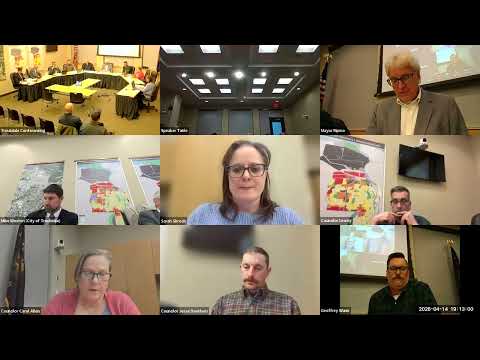
Troutdale April 14, 2026 The Troutdale City Council voted unanimously April 14 to adopt revisions to the citys sanitary sewer pre-treatment code aimed at reducing fat, oil and grease (FOG) buildup in the collection system and at the treatment plant.
Ryan Larura, an environmental specialist for the city, told the council the changes respond to recurring odor problems, occasional basin-wall overflows and maintenance costs linked to grease-clogged pipes. "Theres been overflows of the basin wall at the treatment plant" and cleaning calls can cost an estimated $200 to $325 per hour for staff and vacuuming, Larura said, noting the city faces potential NPDES permit and pretreatment pass-through risks from food service establishments.
The ordinance updates Chapter 12.07 of the Troutdale Municipal Code and clarifies municipal expectations for food service establishments, Larura said. Key provisions adopted include requiring pumpout documentation via an online manifest, setting minimum pumpout frequencies (extended from 30 to 45 days for smaller units and from 90 to 120 days for interceptors), removing a blanket prohibition on food grinders to avoid conflict with the Oregon plumbing code, and changing variance rules so businesses can rely on manufacturer performance documentation rather than paying for independent professional studies. The code also includes an educational component for restaurant staff.
During council discussion members pressed staff on implementation details. Larura said the city is not requiring existing disposals be removed and would avoid conflict with the plumbing code: "I didnt want to kind of make a conflict of the two codes and I just figured well just leave it be as is with the plumbing code." Staff clarified that variances would be adjudicated using city standards and documentation and that pumpers would not unilaterally set reduced service frequencies for businesses.
Councilors also sought operational detail from wastewater staff about maintenance rhythms and capture practices for heavy grease lines. Erica Armstrong, identified in the meeting as the wastewater treatment plants chief operator, and Travis Holton, the public director on duty, explained that while basin and trouble-spot cleanings are done periodically (two to four times a year for heavily fouled lines depending on severity), there is not a fixed public calendar of which specific pipe will be cleaned on particular dates; maintenance records, they said, are public and can be requested.
One councilor raised a concern about potential conflicts of interest if pumpers were effectively deciding variance frequency, saying, "It seems like kind of a conflict of interest for them to say, 'Oh yeah, this customer only needs it once a year instead of three times a year.'" Larura said the ordinance establishes firm minimums and requires documentation to support any variance.
A council member moved to adopt the ordinance as the second reading and the council approved it by roll call vote. Sarah (city staff) called the roll and all voting members recorded yes.
What happens next: The ordinance was adopted on second reading and implementation steps include rolling out the online manifest reporting tool to food service establishments and beginning education and enforcement under the revised code. Staff said details on enforcement timing and any follow-up inspections will be handled under the new pre-treatment program procedures.