Get Full Government Meeting Transcripts, Videos, & Alerts Forever!
Get email alerts on the Teen Substance Use topic
No spam. Unsubscribe anytime.
Psychologist on PLCS podcast: Teen substance use often signals self‑medication; parents should seek support
Summary
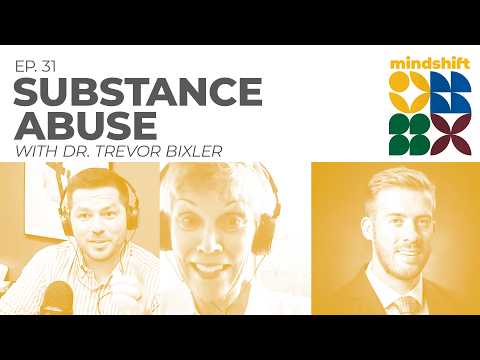
On the Papillion La Vista Community Schools 'Mind Shift' podcast, clinical psychologist Dr. Trevor Bixler told hosts Christopher and Deb that many teenagers use substances to cope with anxiety or depression, urged parents to watch for behavioral changes, and recommended school counselors and clinicians as first steps for help.
Dr. Trevor Bixler, a clinical psychologist affiliated with Imagine, told the Mind Shift podcast hosted by Christopher and Deb that many teenagers are using substances not primarily for recreation but as a form of self‑medication for anxiety, depression and other stressors. He urged parents to take concerns seriously and to seek help from pediatricians, school counselors or community providers.
Why it matters: Bixler said substance use among adolescents has become more accessible and normalized, and traditional 'just say no' prevention does not address the emotional and social drivers that lead teens to use. He emphasized early, nonjudgmental conversations and clinically informed responses when problems arise.
On what teens are using and how patterns have changed, Bixler listed cannabis (including synthetic THC products), stimulants such as cocaine and other substances beyond alcohol, saying "it's more accessible. It's more normalized. It's more a part of of coping." He added that when use becomes severe many young people themselves describe it as self‑medication for emotional struggles.
On recognizing warning signs, Bixler recommended parents act on instinctual concerns and watch for changes such as excessive sleeping beyond typical teen sleep patterns, a marked loss of interest in hobbies or social withdrawal, and physical evidence like vapes or pipes. "There are ways to get support," he said, urging parents to consult pediatricians, primary care doctors, trusted mentors or community consultants when they suspect a problem.
On parenting responses, Bixler acknowledged consequences are part of healthy development but cautioned against punitive decisions made in the heat of the moment. He recommended creating clear, achievable plans developed with professional input—for example, temporarily removing privileges with agreed replacement behaviors and clear conditions for return so consequences are realistic and enforceable.
Bixler also described a common family dynamic he called "splintering," where adolescents try to divide caregivers; he recommended families address problems together to present unified support. He praised school counselors and school social workers as accessible referral partners and welcomed opportunities for community providers to train school staff on referral pathways.
Offering a hopeful note, Bixler said recovery narratives can motivate teens: "I got sober at 14 or sober at 16 and it's been on, you know, 30 to 40 years of sobriety," he said, describing peer‑led sober circles and young peer leaders who encourage others to change.
The episode ends with hosts directing listeners to the district’s Mind Shift page for resources and thanking Dr. Bixler for joining the show. No formal actions or policy decisions were made during the podcast.