Get Full Government Meeting Transcripts, Videos, & Alerts Forever!
Get email alerts on the City Budget topic
No spam. Unsubscribe anytime.
Lewiston council debates three-tier budget cuts and whether police take‑home cars should stay
Summary
Lewiston City Council reviewed three savings scenarios that would add between about $1 million and $1.9 million in reductions (the larger tiers include staff layoffs) and debated a proposal to finance take‑home police vehicles that supporters say would help recruit officers and could save money long term. No vote was taken; council will reconvene Thursday for a phased revaluation presentation.
Lewiston City Council members on Tuesday reviewed three budget‑cut scenarios to reduce the city’s operating increase and sparred over whether to include a proposal to finance take‑home police vehicles.
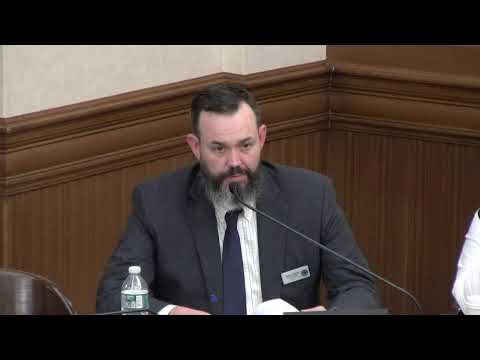
Administrator Kinrath, who led the presentation, said the city has already cut $4.1 million from the budget and offered three additional tiers of savings: a tier‑one package designed to reach roughly $1 million in additional savings without layoffs, tier two that adds three staffed positions to be eliminated, and tier three that adds five more layoffs. Kinrath said the city also just received updated information on a phased‑in property revaluation and will hear a full presentation from Bill Healy on Thursday about that option and its costs.
The tier‑one worksheet showed $1,044,442 in savings in the column without the police take‑home vehicle proposal and $1,012,515 in the column that includes the take‑home program. Kinrath identified specific line‑item changes in tier one: shifting $106,000 from a homeless TIF payment, $50,000 from LATC bus vehicles, a $150,000 reduction to workers’ compensation reserves, boosting certain revenues (including treating state revenue sharing at 100% versus 95% for an estimated $580,000) and modest increases to inspection fees in the codes department.
Several councilors said they prefer the tier‑one approach because it avoids layoffs. “We have already cut $4.1 million out of this budget,” Kinrath said, noting the tiers would be additional to those reductions. Councilor Roy and others said keeping the vehicles in tier one would raise the mill rate by about one penny — a small but politically visible difference — and argued the council should avoid cutting jobs if possible.
Supporters of the take‑home vehicle plan, including Councilor Longchamps and Councilor Martel, argued the program would aid recruitment and extend cruiser life. Longchamps said officers have options to work in other communities and that a take‑home vehicle would “entice people to come here.” Councilor Martel said prior analysis suggested a modest ongoing net savings and recruitment benefit: “I believe the last number I saw was a hundred grand a year and somewhere between five and six hundred grand on the whole spread,” Martel said, while acknowledging unknowns such as insurance and maintenance costs.
Police and fleet staff told the council that vehicle life and warranty vary by make: Ford warranties were described as roughly five years, GM and Dodge warranties shorter, and fleet staff estimated some cars might last seven to 10 years under the take‑home model. The chief and fleet manager said rotating vehicles and placing lower‑mile cars into different assignments would further extend useful life.
Staff also flagged a procurement/accounting discrepancy on projected trade‑in values and vehicle totals. A sergeant and Director Roy said the figures in an earlier 10‑vehicle memo used different trade‑in assumptions; a later 14‑car budget produced different totals. A staff correction noted one cost line likely should be $526,336 rather than $367,000; staff said they would reconcile the numbers off‑line.
Councilors repeatedly noted the broader tax levy and service trade‑offs. Councilor Chittum said a worst‑case scenario would leave homeowners facing an estimated 11.3% tax increase and argued the council must consider whether to reduce government size or expand the tax base. Administrator Kinrath warned that going deeper than the presented tier three would mean noticeable service curtailments and reiterated that further cuts would primarily affect staff positions.
Other items raised during the session: fuel bids came in higher than budgeted (diesel at $2.98 and gasoline at $2.49 per gallon), the vehicle financing example used a rough 3.5% interest estimate that produced about $275,298 in interest on the bond example, and staff confirmed a hiring freeze is an available tool but that freezing additional public‑works or fire positions would risk operational capability.
No formal votes were taken. The council agreed to reconvene Thursday to hear Bill Healy’s phased‑in revaluation presentation and to revisit the budget scenarios after reconciling vehicle cost and trade‑in figures.
The council adjourned with staff directed to supply reconciled vehicle procurement numbers and any additional scenarios the council requests ahead of the next meeting.