Get Full Government Meeting Transcripts, Videos, & Alerts Forever!
Get email alerts on the Housing topic
No spam. Unsubscribe anytime.
New Haven committee reviews FY2026–27 consolidated plan as HOME allocation falls short
Summary
City staff told the joint Community Development and Health & Human Service Committee the city’s FY2026–27 entitlement grants total roughly $5.8 million for the year and about $35 million across the five‑year consolidated plan but that the HOME allocation arrived $256,000 below expectations, prompting planned reprogramming and contingency language for ongoing litigation.
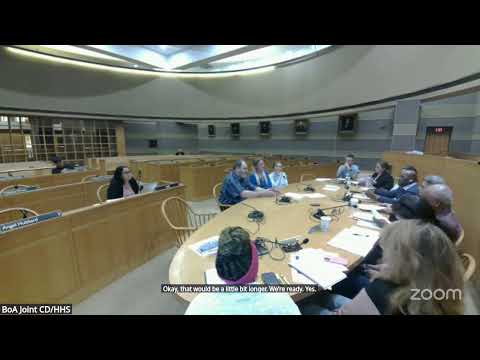
City of New Haven staff presented the draft FY2026–27 consolidated plan and annual action plan to the Joint Community Development and Health & Human Service Committee on April 15, outlining program rules, eligible activities and the city’s final federal grant awards.
Austin, a city presenter, told the committee that entitlement grants for the coming program year total about $5.8 million and that the five‑year consolidated plan covers roughly $35 million in federal funding. He said the funds flow to nonprofits and city departments for activities such as housing rehabilitation, public services, emergency shelter operations and homelessness prevention.
The presentation flagged a notable shortfall in the HOME (HOP) allocation: city staff said the actual HOME award arrived at about $942,000 compared with an anticipated $1.27 million, requiring a reduction of roughly $256,000 from mayoral recommendations. “We got our award letter last week; that $942,000 is the amount,” Austin said, noting the committee will need to revise allocations to reflect the lower figure.
Staff also told the committee that the draft order includes a contingency reserve because the city has several active lawsuits under appeal; presenters said the contingency language is intended to protect the city’s fiscal position while legal issues are unresolved.
Committee members pressed staff on reporting and timeliness requirements. Austin emphasized HUD reporting obligations and program controls: “If we don’t report accomplishments to HUD, they consider it not a completed activity and we would have to reimburse that,” he said, explaining why agencies’ administrative capacity and accurate accomplishment reporting are central to funding decisions.
Presenters walked the committee through program caps and eligible uses of CDBG, HOME and ESG funds — including property rehabilitation, transitional housing, case management, public services and planning. Staff highlighted administrative limits used in the draft (presenters referenced a 7.5% administrative cap in some program rules) and the three HUD national objectives that projects must meet (benefit to low- and moderate-income persons, slum/blight removal, or urgent need).
The committee was given a timetable for final actions: amendments to committee recommendations are due May 25; chairs will meet May 26 to reconcile amendments; and deliberations and final action are scheduled for May 28. Staff also scheduled a May 20 meeting for city departments to present more detailed budgets.
What’s next: committee chairs and staff will reconcile the mayor’s recommendations and the reduced HOME award, circulate revised allocation figures to committee members, and return for deliberations at the end of May. The draft order as presented contains contingency language; committee members said they expect updated line-item tables and related performance indicators before final votes.