Get Full Government Meeting Transcripts, Videos, & Alerts Forever!
Get email alerts on the Public Transit Infrastructure topic
No spam. Unsubscribe anytime.
State bus-shelter program could deliver ~100 new shelters to New Haven; city retains routine maintenance duties
Summary
Under a CT DOT $20 million statewide program, New Haven may receive about 100 new or enhanced bus shelters over the multi-year rollout; the state will design, furnish and install shelters while the city will handle routine maintenance and replacement of broken glass, though snow-clearing responsibilities and property-owner obligations were highlighted as areas for follow-up.
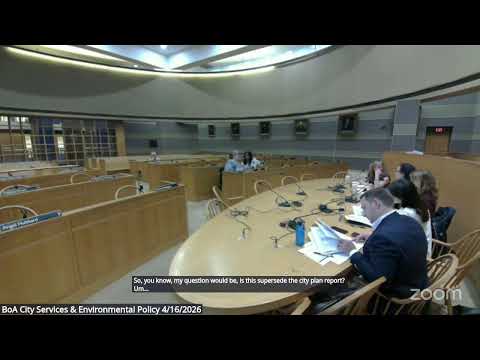
The committee voted April 16 to move forward with a master maintenance agreement that would let New Haven participate in a Connecticut Department of Transportation bus shelter enhancement program.
Graham, the state representative on the item, said the program sets aside $20 million statewide over four years to deploy roughly 700 shelters. The state’s role is to design, furnish and install shelters and, where necessary, perform sidewalk work up to program limits; localities maintain routine upkeep and handle glass repairs. "The arrangement is that the city then will maintain the shelters and insure them. If there is major structural damage, we will replace the shelters," the state presenter said.
City staff and alders pressed staff on maintenance questions including snow removal, jurisdiction, liability and the need to review city ordinance language that currently assigns some snow-clearing responsibilities to adjacent property owners. Staff said city maintenance practice includes replacing shattered glass and coordinating with Public Works and special districts; structural replacement typically falls under state/vendor contracts. New Haven staff said the city hopes to standardize shelter design and deploy about 100 shelters in the city in the early years, prioritizing locations without existing shelters.
The committee also discussed design choices to reduce vandalism (tempered safety glass versus plexiglass), options for art glass films and the typical 6–9 month supply timeline for shelters. Public commenters warned the committee to consider ADA landing zones and legal obligations for accessible routes and snow removal; staff pledged to review ordinance language and coordinate jurisdictional responsibilities. The committee voted to forward the master agreement to the full board.