Get Full Government Meeting Transcripts, Videos, & Alerts Forever!
Get email alerts on the District Budget topic
No spam. Unsubscribe anytime.
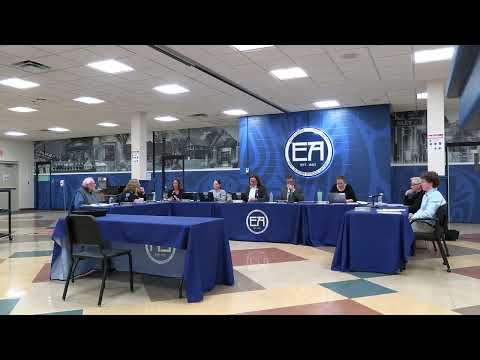
East Aurora board unveils $48.8 million 2026–27 budget proposal, outlines cuts to close $1.6M gap
Summary
The East Aurora Union Free School District on April 1 proposed a $48,768,772 2026–27 budget that uses reserves and program reductions — including position eliminations, reduced electives and a reduced late bus — to close an estimated $1.6 million shortfall while avoiding layoffs under a retirement-incentive plan.
The East Aurora Union Free School District on April 1 presented a proposed $48,768,772 budget for 2026–27 that balances through a mix of revenue adjustments, reserve draws and program and position reductions.
Superintendent (as the meeting transcript records) told the board the district plans to set the tax levy at the limit and to rely on a combination of increased sales-tax estimates, one-time reserve draws and modest state-aid gains to reduce the district’s budget gap. The superintendent said the district’s levy calculation came in at roughly 3.39 with a levy limit shown as 3.36 and the administration recommended moving to the limit this year.
Why it matters: The proposal trims recurring programs and positions — decisions that administrators said reduce near-term spending but increase fiscal pressure in later years if state aid or local revenues do not grow. The board must adopt the budget by April 21; administrators said they may hold an extra meeting on April 16 if the state budget changes materially.
Key components and administration comments Miss George, presenting the financials, summarized cash and fund positions. “We had just about $16.4 million in the bank,” she said, noting the general fund was about 55% expended and had received roughly 73% of expected revenues as of the end of February. She reported the cafeteria fund was $95,000 positive and that federal receivables are being collected through multi-year processes; she told the board auditors had reviewed receivables and a new tracking process had been implemented.
On revenues, administrators identified roughly $628,000 in upward adjustments from a combination of sources since the prior presentation. That included a $160,000 estimated increase in sales tax based on year-over-year receipts through three quarters; an estimated $79,000 in additional foundation aid (the board said the superintendent had discussed a likely 2% figure with Senator Gallivan but final state action is not yet certain); and modest increases in special-tuition and other miscellaneous revenues.
The district also highlighted a potential UPK (Universal Pre-K) aid figure. Administration said 96 applicants at $10,000 each would equal about $960,000, but officials cautioned that actual enrollment and final state allocations remain unsettled and earlier internal estimates had used a lower number.
Cuts, reserve use and program changes To close the remaining gap, administration proposed a mix of reductions and one-time uses of reserves: - Reduce two teaching positions at Parkdale and one middle-school reading specialist; reduce portions of world languages, electives, and certain ELA/mathematics assignments across middle and high schools (numbers and affected assignments were presented by administrators); - Eliminate the family support center and restructure social-work/student-support coverage; reduce some part-time district-level clerical staffing; and eliminate or reduce selected field trips, intramurals and materials budgets; - Reduce late-bus service to twice weekly for middle and high schools, an expected saving of roughly $159,000 in 2026–27; administrators cautioned the cut would lower transportation expenditures and therefore transportation aid in subsequent years (creating a one-year benefit followed by future-year pressure); - Reduce district software and vendor contracts (roughly $61,000 presented as a target) and shift certain cafeteria-aid costs to the C fund; and - Use approximately $529,000 from technology/reserve accounts to address retirement-incentive TRS/ERS costs and smooth the budget while minimizing layoffs.
Administration emphasized the retirement-incentive strategy reduces the need for outright layoffs; the superintendent said the plan would reduce or shift positions and that the district did not expect to lay off staff outright this cycle.
Board discussion, confidence and next steps Board members pressed for detail on the $628,000 of revenue changes and questioned how sustainable the assumptions are for 2027–28. Mr. Flowers asked for a line-by-line breakdown; Miss George said some figures rely on multi-year trends (sales-tax receipts through three quarters) and that some state-aid numbers remain estimates until the state budget is finalized.
Members discussed the trade-offs of one-time reserves and cuts that depress future-year aid (notably transportation). Administrators acknowledged that reducing an expense can lower the subsequent-year aid tied to that expense, which can widen future gaps if revenues do not grow.
The superintendent and Miss George said the board would be kept informed and that the April 21 adoption deadline remains in effect. They also said they would keep the April 16 date tentatively available if state actions require final changes.
What is next: The board has to adopt the budget on April 21; administrators said they will continue outreach to community groups and provide supporting detail to board members in the next weeks.