Get Full Government Meeting Transcripts, Videos, & Alerts Forever!
Get email alerts on the Staff Survey topic
No spam. Unsubscribe anytime.
Oxford school leaders say staff survey shows gains but point to gaps in professional development and resources
Summary
School leaders told the Oxford Board of Education that a recent staff impact survey shows gains in leadership and safety but flagged professional development, resources and persistent student-behavior challenges as priorities for next year.
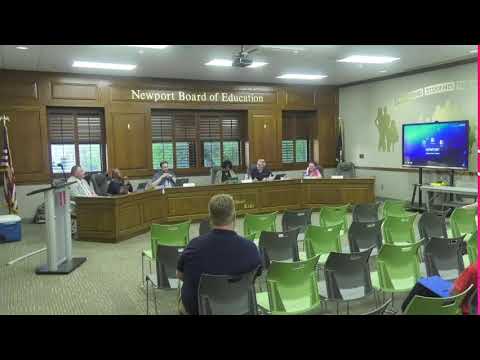
School leaders told the Oxford Board of Education on Monday that a districtwide staff impact survey shows improvement in several categories but leaves work to do on professional development, staffing and student behavior.
Principal Soquessa, presenting survey results to the board, said the instrument covered nine topic areas and that one building reported full participation: "We had 45 staff members respond, which is 100%." She said several categories rose compared with the last survey and that some now sit above the state average.
The presentation highlighted strengths in staff‑leadership relationships and school safety; Soquessa noted a 97% positive score for secure learning environments and large favorable ratings for staff‑leadership relationships. But she emphasized that professional development remained one of the lowest scoring areas and that resources — people, not technology — showed the weakest favorable percentage.
Board members asked about timing and interpretation of results; the presenter said the survey was administered in the first week of December and results arrived in mid‑February. She explained the index reports the percent favorable and cautioned that neutral responses depress the overall favorable percentage, making it important to interpret middle‑of‑the‑scale answers carefully.
On behavior, Soquessa said major incidents and referrals are down but student behavior remains a focus: "Our discipline referrals are down, major events are down, but it's still an area that we are working on to address and continue to put systems in place." She described plans to strengthen PBIS, restorative practices and coaching so teachers can focus more on instruction and less on reactive management.
To address training gaps the principal said the leadership team will prioritize three areas next year: targeted professional learning aligned to teacher needs, systems to manage student behavior, and increasing personnel supports such as interventionists and instructional aides. She also said the district plans to pilot more coaching models after a period in which a district MTSS coach retired and the position went unfilled for several months.
Soquessa urged greater volunteer engagement and cross‑school collaboration, describing a River City principals' group and plans for volunteer tables at events to connect retired professionals with schools. She credited staff and a recent response to a safety incident for following procedures that prevented injuries: "The system works."
Next steps, according to the presentation, include further analysis of survey items with more than a 15‑point decline, revising some questions for clarity, and developing a professional development plan that reflects teacher requests and district priorities. The board did not take formal action on the survey during the special meeting but thanked staff for the work and encouraged follow up with the superintendent and district offices.
The board is expected to receive refined recommendations and proposed staffing/PD plans before the next regular meeting.