Get Full Government Meeting Transcripts, Videos, & Alerts Forever!
Get email alerts on the Evidence Management topic
No spam. Unsubscribe anytime.
City auditor finds SPD evidence-and-property operations largely sound but flags storage, policy and disposal gaps
Summary
A City Auditor presentation to the Sacramento Community Police Review Commission found evidence-handling controls largely effective (narcotics 100% accounted for; firearms 99.6% in testing) but recommended fire-rated storage for ammunition, finalized procedures, clearer handling for high-value items and steps to reduce backlog and costs related to property from people experiencing homelessness.
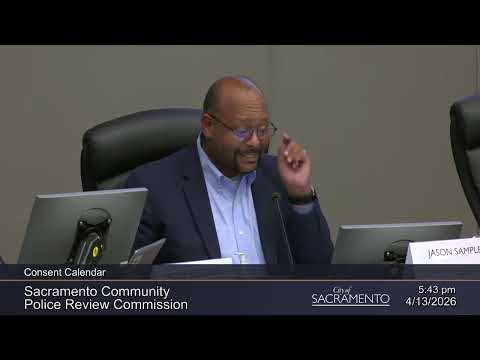
At the April 13, 2026 Sacramento Community Police Review Commission meeting, assistant city auditor Kevin Christensen presented the City Auditor's office audit of the Sacramento Police Department's Evidence and Property Division, concluding that the unit "plays a critical role in the criminal justice process" while identifying several operational weaknesses that city officials should address.
The audit covered warehouse operations from 2020 through 2024 and tested high-risk categories such as narcotics, firearms, cash and jewelry. Christensen said testing showed high booking accuracy: "Drugs were tracked at 100 percent, firearms at 99.6 percent," and nearly all sampled high-risk items were either located or supported by chain-of-custody documentation. He told the commission the booking error rate across more than 143 items reviewed was less than 1 percent and that errors were typically corrected within days.
Despite those strengths, the auditors found multiple opportunities to reduce risk and cost. Key recommendations included moving ammunition from pallets into fire-rated lockers, securing firearms pending destruction behind additional locking mechanisms (and updating manuals to reflect those procedures), finalizing draft procedure manuals so managers can enforce consistent standards, and improving valuation and documentation practices for jewelry and other high-value items.
Christensen also called attention to an operational burden tied to property associated with people experiencing homelessness: auditors estimated roughly 8,000 staff hours annually and about $588,000 in related costs spent on collection, storage and disposition. He said that practice strains warehouse capacity, diverts officers from core duties and creates barriers for individuals trying to retrieve belongings. The audit noted that other jurisdictions have used third-party providers to collect and store property off-site and recommended SPD explore similar arrangements in coordination with the Department of Community Response.
On disposition timeliness, the audit found intake generally outpaced removals: between 2022 and 2024 SPD booked more than 143,000 items and disposed of about 122,000, creating a net increase of more than 20,000 items. Christensen recommended establishing time-bound disposal targets, prioritizing items already authorized for release and monitoring items pending more than 60 days to improve throughput.
SPD and auditors also discussed governance and documentation issues. Christensen said SPD has comprehensive draft procedure documents (including a firearms handbook and an evidence/property manual) but that they remain in draft form and "have not been formally adopted," limiting management's ability to enforce consistent standards. The auditors recommended final approval and staff training on those procedures.
During Q&A, commissioners raised retrieval barriers for people released from custody, whether homeless-related property is treated differently, how substations handle temporary storage, and resource constraints for infrastructure upgrades. SPD representatives said property may be retrieved once an individual is released but acknowledged logistical hurdles (warehouse location, trauma, travel) and noted the department lacks the resources to expand secure, fire-rated storage at present.
The commission received the audit and supporting materials; the auditors said city staff responses and implementation timelines are captured in the management response section of the report and that the Auditor's office will track follow-up and report progress to the Budget and Audit Committee and City Council.
The audit cites SPD General Order 525.01, state and national best practices (including POST and the International Association for Property & Evidence) and includes recommendations to update local procedures, improve physical security for ammunition and firearms pending destruction, improve appraisal and documentation of high-value items, consider third-party handling for homeless-related property and set explicit disposal performance targets.
The audit presentation concluded with auditors available for follow-up. The commission marked the item receive-and-file during the meeting.