Get Full Government Meeting Transcripts, Videos, & Alerts Forever!
Get email alerts on the Family Engagement topic
No spam. Unsubscribe anytime.
District advisory council urges stronger family engagement, recommends policy changes
Summary
The District Citizen Advisory Council presented a family-engagement impact study and urged the Topeka USD 501 board to strengthen policy with an annual awareness campaign, standardized building practices, multi-channel communications and targeted outreach to underrepresented families.
Helen Swanson, presenting for the District Citizen Advisory Council, told the Topeka USD 501 board that the council’s yearlong impact study found family engagement is “a proven high impact strategy” and recommended changes to policy and practice to increase equitable participation and transparency.
The DCAC’s three goals were to identify allies and leaders already active in schools, reach families who have not had a voice, and recommend strategies to sustain inclusive engagement. Swanson said the council recommends an annual awareness campaign that explains family rights and opportunities, standardized engagement practices across buildings to reduce variability, and more transparent reporting on how family feedback is used.
“We would like the policy to include annual awareness campaign strategies and standardized engagement practices,” Swanson said. She emphasized multi-channel communications (email, text, printed copies, the district website and social media) and suggested providing guides or training for platforms parents find hard to use.
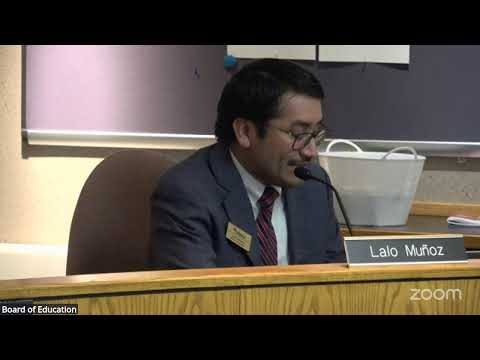
Board members pressed for specifics. Mr. Tatum asked whether the study had surfaced items that did not make the final report; Swanson said timing and consistent communication were recurring concerns. Mrs. Bolley asked whether DCAC’s policy recommendations should be drafted by the committee; Swanson welcomed parent participation and suggested DCAC members could help the policy committee craft changes.
The DCAC also recommended flexible engagement options—hybrid and evening events, community-based meetings, transportation and childcare considerations—and targeted outreach to underrepresented families to broaden participation. The presentation cited the district’s Title I obligations for parent involvement and said the council used monthly hybrid meetings, building-level polling and a district parent survey to compile its findings.
The board thanked the DCAC for the report and signaled interest in inviting DCAC members into policy committee discussions. The council’s full impact study is available to board members for review.
What’s next: The board may consider the DCAC recommendations when it reviews family-engagement policy and procedures; DCAC members volunteered to participate in policy revision work and outreach planning.