Get Full Government Meeting Transcripts, Videos, & Alerts Forever!
Get email alerts on the Municipal Fees topic
No spam. Unsubscribe anytime.
Santa Clara reviews proposed 2026–27 fee schedule; parking at youth soccer park sparks public concern
Summary
City staff and consultant presented a study session on the proposed FY 2026–27 master fee schedule, proposing mostly minor adjustments but adding new fees (including market-based parking at the Youth Soccer Park) and several phased increases; council and public urged clearer outreach and asked for a public summary ahead of an April 21 adoption vote.
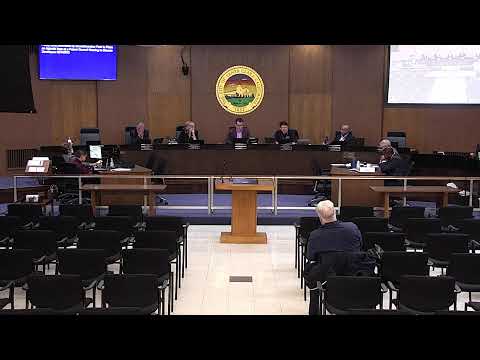
The Santa Clara City Council and Stadium Authority on April 7 held a study session on the proposed fiscal year 2026–27 municipal fee schedule and heard sustained questions about new parking fees for the Youth Soccer Park and Reed/Grant overflow lots.
City Manager Javon Grogan opened the item, and Director of Finance Kenley introduced consultant Terry Matson of Clear Source Financial Consulting, who said the review focuses on cost-of-service fees (not taxes or utility rates) and supports a public hearing and adoption on April 21. Matson told the council that “95% of the fees in this schedule are proposed for very minor modification or to remain unchanged,” and that the study identified 14 fees with increases larger than 10% (often the result of rounding in small-dollar items), eight fees proposed for multi‑year phase‑in (capped at 20%), and 12 new fees to add clarity or cover occasional services.
The new fees include several administrative clarifications (easement review, key replacement at library) and operational charges such as temporary hydrant use for construction and market‑rate parking when city lots could be rented for stadium or major-event overflow. Council Member Jane highlighted past interest in using stand‑alone city parking at stadium events and read from a written record describing her visit to Levi’s Stadium, saying she had been told the city could receive “up to $10,000 per event” if those lots were made available. Council members asked staff to make the consultant’s summary slides and change breakdown part of the public record for the April 21 adoption package so residents can see both percent and dollar impacts.
Several council members and members of the public urged more outreach before finalizing fees tied to community assets. Public commenter No McDonald (Reclaiming Our Downtown) asked that a separate downtown RFP item be heard at a regular meeting rather than tonight’s special meeting; staff agreed to bring the procedural request back through the normal agenda process. Multiple council members, including Vice Mayor Gonzalez and Council Member Cox, pressed staff on how revenues from event parking would be used; Kenley said revenue from commercialized parking would be deposited into the facility’s capital/sinking fund and used for maintenance and capital needs, and that current practice bars adult or commercial uses from displacing youth activities.
Council members also requested clearer public-facing materials. Council Member Hardy said the large slide summarizing the major changes helped readability and asked that the same compact summary be made available to the public with the adoption packet. Consultant Matson and staff agreed to include a concise public summary and to flag the limited number of fees with sizable changes.
If adopted by council on April 21, staff said the updated schedule would take effect July 1, 2026. The study session did not involve a formal vote; the item returns for public hearing and potential adoption at the next scheduled council meeting.