Get Full Government Meeting Transcripts, Videos, & Alerts Forever!
Get email alerts on the Overdose Response Strategic Plan topic
No spam. Unsubscribe anytime.
Baltimore finalizes 2025'027 overdose response plan, expands naloxone access and harm-reduction services
Summary
City and health officials told a City Council committee they finalized the 2025'027 Overdose Response Strategic Plan, raised the long-term fatal-overdose reduction target to 50% by 2040, and announced expanded naloxone access, vending-machine harm-reduction kits, and targeted grants to community providers.
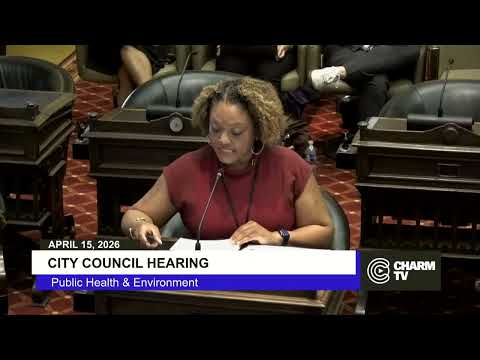
Baltimore City officials on March 19 presented a finalized 2025'027 Overdose Response Strategic Plan and a series of program expansions to the City Council's Public Health and Environment Committee.
Executive Director Sarah Whe of the mayor's overdose response office said the plan "includes an update to our overarching goal of reducing fatal overdoses. we've increased that to 50% by 2040." Whe said the plan incorporated feedback from four neighborhood listening sessions and will guide opioid-restitution fund priorities for the next two years.
Why this matters: city leaders said the revised target reflects unexpectedly large recent declines in fatal overdoses and aims to set an ambitious but measurable long-term objective while program-level metrics track near-term progress.
The plan's immediate and near-term actions include: signed grant agreements and community awards, expanded naloxone distribution in transit and city buildings, growth of harm-reduction vending machines, additional syringe-disposal dropboxes, and investments in prevention and provider education.
Officials said the mayor's office has signed 19 grant agreements from settlement dollars and announced 11 competitive community-grant recipients intended to support smaller, neighborhood-based organizations. The health department will use the plan to inform fiscal priorities and monitor grantee performance.
Health-department metrics presented to the committee showed high-volume service delivery: community risk reduction teams have logged more than 6,000 patient encounters and distributed nearly 700,000 sterile syringes this fiscal year; staff reported submitting 385 RAD (rapid analysis of drugs) samples and training nearly 11,000 people in naloxone use, including about 900 city employees.
Officials described two parallel naloxone access efforts. The first expands public "naloxone boxes": larger cabinets holding about 50 naloxone kits to be placed in 24 city buildings and smaller emergency boxes co-located with AEDs in about 50 additional facilities. The second increases distribution through partnerships with transit and community groups; officials said naloxone kits and digital training are installed in metro stations and will be expanded to light-rail and bus systems with philanthropic support.
Harm reduction and testing expansions announced include scaling from one to 12 harm-reduction vending machines (including City Hall and CAP centers), adding HIV and syphilis test kits to vending offerings, and increasing sharps-disposal dropboxes from eight to 18 across priority neighborhoods. The health department will release a request for proposals for community hosts for several vending locations.
The presentation also highlighted two new program teams: a prenatal-to-child behavioral health unit that has provided roughly 300 clinical reproductive and sexual-health services and distributed more than 200 naloxone kits, and an aging-focused harm-reduction team that has distributed naloxone kits to older adults and conducted outreach at senior centers. Officials stressed these teams are part of a life-course approach to prevention and response.
Officials said the city will continue regular re-evaluation of the plan's projections, maintain oversight of how settlement dollars are used, and begin planning the next needs assessment that will inform the 2027'029 strategic plan.
What's next: Council members requested briefings on the CDC Epi-Aid into emerging contaminants, individual briefings on the NARCAN Neighbors rollout for council offices, and a hearing or briefing after the needs assessment focused on people experiencing homelessness.