Get Full Government Meeting Transcripts, Videos, & Alerts Forever!
Get email alerts on the Automated Traffic Enforcement topic
No spam. Unsubscribe anytime.
Zoning committee tables automated traffic-enforcement ordinance pending Vision Zero report
Summary
The Committee on Planning, Zoning and Housing tabled a proposed ordinance to authorize automated traffic safety devices after extended discussion about implementation, vendor funding, enforcement workflow and pedestrian safety; the committee will revisit the item after the Vision Zero safety action plan is finalized.
The Committee on Planning, Zoning and Housing voted May 13 to table a proposed ordinance that would add sections to the city code enabling automated traffic-safety devices, delaying a decision until the city’s Vision Zero safety action plan is complete.
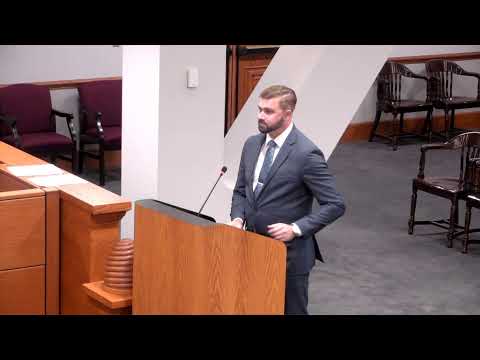
Supporters described the draft ordinance as an initial enabling step rather than a final implementation plan. “It’s step one on the list. It’s only one of several things that would have to be accepted by the council,” Mark Morardi told the committee, saying the ordinance does not by itself set camera locations or vendor agreements.
Why it matters: committee members raised questions about who would pay for equipment, how citations would be issued and appealed, and whether enforcement would focus on the locations that produce the most serious injuries. Staff described a vendor-funded model commonly used in Connecticut: vendors typically recover costs from infraction revenue and many propose agreements that impose no upfront cost on the municipality. Morardi said vendors’ contracts and state approvals are separate steps that follow the ordinance.
Key details included in the committee’s discussion: • Enforcement focus and penalties — Officials said the initial plan is to target speeding in school zones. The first infraction during an initial 30-day warning period would generate a warning; a second violation would trigger a $50 ticket. Morardi said photographic evidence would be verified and a local police officer would sign off on citations before issuance, and the ordinance and state law require an appeal process.
• Funding and vendor model — Staff said the “cost of the program is really paid for by the infractions” and that many vendors propose contracts that entail no up-front municipal expense; they also reported vendor estimates of about a 60% immediate reduction in speeding and higher compliance over time.
• Data and complementary actions — Morardi and other staff stressed that the ATSD proposal is intended to complement engineering and education measures. He noted previous capital investments downtown and said the Vision Zero draft will include locations and priorities; the task force’s community survey (more than 500 respondents, as cited by staff) showed broad support for enforcement measures.
Discussion and procedural outcome: a motion to end debate failed after members raised rights to be recognized. Later, Alderman John McNamera moved and Alderwoman Candace Scott seconded a motion to table the ordinance pending the Vision Zero safety action plan; that motion carried.
Next steps: the committee tabled the ordinance and intends to revisit the item after the Vision Zero safety action plan and related data are finalized and shared with committee members.