Get Full Government Meeting Transcripts, Videos, & Alerts Forever!
Get email alerts on the Public Nuisance topic
No spam. Unsubscribe anytime.
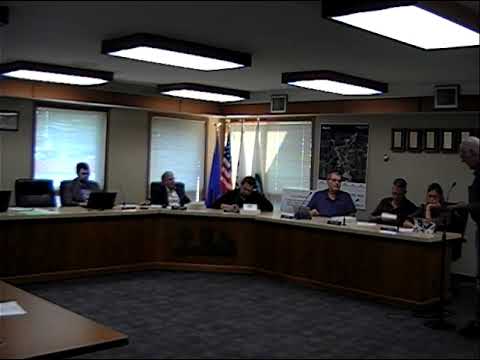
Morris council tables first reading of public‑nuisance ordinance after residents raise civil‑liberties concerns
Summary
Councilors introduced Ordinance 129, amending the city's public‑nuisance code, but after residents warned a provision could be used to punish people with contagious illnesses the council voted to table the first reading to allow further review.
The Morris City Council introduced Ordinance 129, an eight‑to‑nine page update to the city's public‑nuisance code, but voted to table the ordinance's first reading to the next meeting after residents raised objections about specific language.
During public comment Annette Watson objected to subsection L, which the draft described as a nuisance: "All public exposure of people having a contagious disease." Watson warned the language could be used to deny residency, access to services or otherwise stigmatize people with illnesses. James Stoker and other speakers told the council the ordinance was too broad and asked for a narrower, more targeted approach focused on derelict properties and junkyards.
Council members noted the ordinance is a substantive amendment that requires careful review; one council member expressed discomfort approving a first reading without a redline showing what was added and omitted. The council moved and seconded a motion to table the first reading until the next meeting to allow staff and the city attorney to produce clearer documentation of changes and proposed edits.
The mayor also addressed procedure and the city's charter provisions governing the Economic Development Authority after related public comments earlier in the meeting. Staff was asked to prepare a redline of Ordinance 129 and to respond directly to the public comments about subsection L before the second reading.
The council did not take a substantive vote on the ordinance's text; tabling preserves the council's ability to amend language before any formal adoption vote.