Get Full Government Meeting Transcripts, Videos, & Alerts Forever!
Get email alerts on the Ems Funding topic
No spam. Unsubscribe anytime.
Cloquet area fire district asks Legislature to let voters decide on local sales tax for combined EMS and fire facility
Summary
A special district representing Cloquet and Scanlon asked the House Tax Committee to allow voters to consider up to a 0.5% local sales tax to finance a consolidated ambulance and fire facility, arguing the tax would reduce pressure on local property tax levies; lawmakers praised the effort but highlighted the need for a statewide approach for EMS funding.
The Cloquet Area Fire District asked the House Tax Committee for permission to put a local sales tax question before voters this fall that would fund a new combined ambulance, training and emergency operations facility.
Fire chief Jesse (who identified himself in testimony) told the committee that current ambulance and fire facilities are aging and undersized and that a local sales tax would dedicate revenue solely to capital costs for a new combined public safety facility, reducing pressure on property taxes. "This local sales tax would then allow us to reduce that property tax levy or the local burden on our property tax payers," the chief said during testimony.
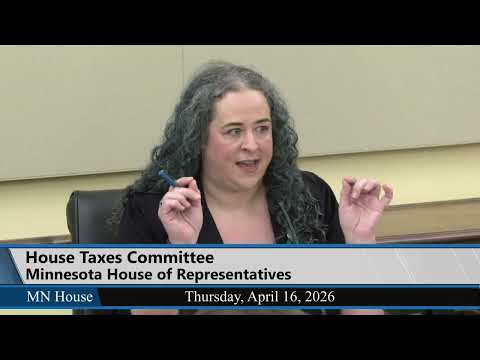
Committee members responded with sympathy for rural EMS funding challenges. Representative Hewitt and others praised Cloquet's approach as a creative attempt to address a failing reimbursement model for long-distance ambulance responses, but they also urged the Legislature to consider a comprehensive, statewide solution. "EMS is not a bell-and-whistle," one member said, emphasizing the essential nature of emergency medical services and the need for broader policy responses.
Outcome: The bill was moved and laid over for possible inclusion; committee members asked for continued dialogue about statewide funding options while acknowledging Cloquet's immediate capital needs.
Why it matters: Rural ambulance and fire districts report thin margins and long response distances that make operations financially precarious. Proponents framed local-option sales tax as a tool to spread payment to users, visitors and regional beneficiaries; some committee members said the pattern of ad hoc local fixes underscores the need for a statewide policy for EMS sustainability.