Get Full Government Meeting Transcripts, Videos, & Alerts Forever!
Get email alerts on the Animal Control topic
No spam. Unsubscribe anytime.
Residents, rescues urge county not to shift animal-control work to sheriff after high-profile cruelty cases
Summary
Several residents, veterinarians and rescue volunteers urged the board to retain trained animal-control staff and rejected proposals to transfer investigations or shelter responsibilities to the sheriff’s department, citing recent hoarding and cruelty cases and a planned corporation-counsel review of the animal-control ordinance.
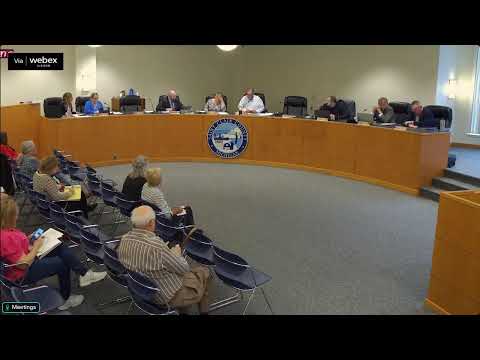
A large group of St. Clair County residents, rescue volunteers and animal-care professionals filled the commission chamber on April 16 to press the board against proposed operational changes to county animal control and to demand transparency after recent cruelty and hoarding cases.
Several speakers said the county had circulated reports and social posts suggesting animal-control responsibilities might be transferred to the sheriff’s department. “Animal control has to deal with animals. Sheriff’s department—they’re for the people,” one resident said, arguing deputies are not trained for complex animal investigations and could be overwhelmed by additional duties.
Laura Wilhelm Bruzek, a nonprofit animal-rescue director, described working with county animal-control staff on large-scale hoarding and cruelty responses. “There were 100 dead animals on this property… The board isn’t law enforcement, nor judge or jury,” Bruzek said, criticizing any push to return animals to defendants and urging the board to recognize the difference between farming and abuse cases.
Dr. Karen Michalski, veterinarian and vet of record at St. Clair County Animal Control, warned against turning investigative and care decisions over to deputies. “I don’t think that will be a benefit for the county,” she said, describing positive changes at the shelter since the department separated from the sheriff’s office.
Chairperson Smaszcz read an email summarizing a meeting convened by the county administrator and sheriff’s command staff that discussed evidence preservation, judicial forfeiture, care costs for seized animals and the option of having MCO-certified officers conduct animal investigations. The chair said he had asked corporation counsel to review the county’s animal-control ordinance (ordinance 1821) for legal conformity with state law and to prepare options for public comment at the board’s May 7 meeting.
Speakers cited specific cases (the Warner and Tucker matters) as examples of why specialized animal-control staff and outside rescue partners are necessary; some urged the board to avoid hasty operational changes that would increase animal suffering. Multiple commenters asked the board to publish the relevant ordinances and prior versions online and to hold a public hearing before making any supervisory changes.
The board did not vote on operational changes at the April 16 meeting; the chair said corporation counsel would provide legal recommendations and that the items would be placed on the May agenda for public comment.