Get Full Government Meeting Transcripts, Videos, & Alerts Forever!
Get email alerts on the Labor Contracts topic
No spam. Unsubscribe anytime.
City employees urge council to secure long‑term health‑insurance stability after tentative MOU
Summary
City employees and union representatives thanked the council for a tentative memorandum of understanding that provides immediate relief but warned projected premium inflation could push family coverage above $1,000 per month in coming years and urged long‑term negotiations to protect staff retention and access to care.
City employees and union representatives told the Sacramento City Council on the public‑comment portion of Monday’s meeting that a recently negotiated tentative memorandum of understanding (MOU) provides short‑term relief but leaves workers vulnerable to steep premium increases in future years.
“Using benchmark trends they could double in 20 months for employees with families,” said Josh, a member of the workforce who addressed the council, thanking members for immediate wage increases but urging the city to pursue long‑term premium stability and affordability measures. “This is the real financial risk we must prepare for.”
Sarah, a four‑year city employee and union member, described the personal impact. “My take‑home pay is less than last year,” she said, pointing to higher premiums and the rising cost of living. She told council members many colleagues are already at top salary steps and worry they will be unable to absorb further increases.
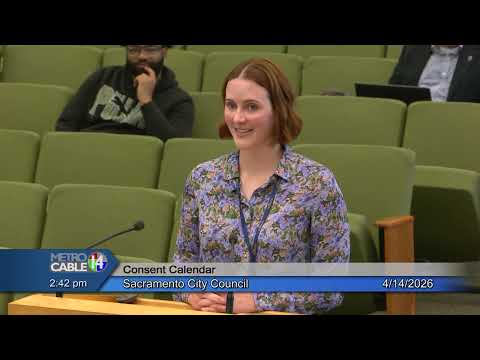
Haley Erata, a District 4 city employee and dues‑paying union member, said projections show medical premiums could rise roughly 10% in 2027–28 and that an employee family plan could exceed $1,000 per month by 2028 without additional city contributions. “I respectfully ask next year you come to the negotiation table with us to work together,” Erata said, noting concerns about access to gender‑affirming and other necessary care if costs escalate.
Council members did not take action during public comment. Earlier in the meeting staff and council indicated support for a tentative agreement that includes immediate wage increases and short‑term insurance relief; the commenters urged the council to direct staff to pursue structural solutions — such as sustained city contributions, cost‑control mechanisms or alternative plan designs — to limit long‑term premium growth and retain experienced staff.
The discussion does not appear to have produced formal direction or a binding commitment from the council at the time of adjournment; council members may consider follow‑up during negotiations or future agenda items.