Get Full Government Meeting Transcripts, Videos, & Alerts Forever!
Get email alerts on the Finance topic
No spam. Unsubscribe anytime.
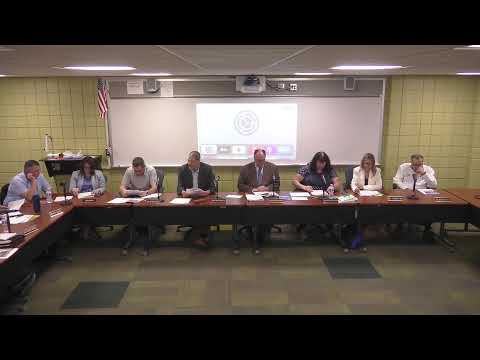
Penn-Trafford board hears options for $10M repairs or a $65M rebuild as capital needs grow
Summary
Board members were presented with the district's debt profile, a prioritized facilities needs list and three financing options — a large new-school bond (~$65M), a targeted borrowing (~$10M), or continued annual capital transfers (currently budgeted at $580,000) — and asked for clearer budget line items and minutes verification on millage commitments.
The Penn-Trafford School Board heard a detailed presentation on the district's capital needs and financing options at its April meeting, with staff warning that projects bid or estimated to date total roughly $4.9 million but could approach $10 million after fuller pricing.
The presentation, delivered by district staff, outlined three paths: pursue financing for a new school estimated at about $65 million; pursue a smaller targeted loan of roughly $10 million to address priority repairs across several buildings; or continue the current approach of annual capital transfers from the general fund (the district currently budgets a $580,000 transfer to capital projects). Presenters emphasized the session was informational and no decisions were expected at the meeting.
Why it matters: the district's debt portfolio carries historically low interest rates and a final maturity date in 2035, which staff said gives the district flexibility to refinance in favorable markets but counseled caution while interest rates remain elevated. Board members pressed staff on whether the $580,000 transfer is a fixed two-mill commitment tied to millage increases or a budgetary transfer set in recent budgets.
Board discussion focused on transparency and protecting fund balance. One member asked staff to "check the minutes" to confirm whether the capital set‑aside was authorized as a fixed millage commitment or merely reflected in a prior budget. Members also discussed safeguarding long-standing debt-service protections and using a capital-reserve account to preserve funds for future projects.
What staff said: the presenter summarized the district's fund-balance history, noting prior federal revenue infusions and recent drawdowns tied to capital purchases and the new administration building. Staff pledged to provide a clearer, line‑itemed budget presentation at the May meeting that will specify which funds are true, separately tracked reserves versus annual transfers.
What’s next: board members asked staff to verify past minutes and to return at the board’s May meeting with a detailed preliminary budget and a more transparent capital-accounting presentation so the board can decide whether to pursue borrowing, continue pay‑as‑you‑go capital, or explore hybrid approaches.
The presentation and follow-up Q&A concluded without a vote; the board did not take any immediate financing action at the meeting.