Get Full Government Meeting Transcripts, Videos, & Alerts Forever!
Get email alerts on the School Finance Audit topic
No spam. Unsubscribe anytime.
Auditor issues clean opinion on Concord‑Carlisle FY24 finances; district shows $2.0M unassigned balance
Summary
The auditor reported unmodified (clean) opinions for Concord‑Carlisle Regional School District's FY24 financial statements and identified no material weaknesses; the district's unassigned fund balance was about $2.0 million, down roughly $65,000 from the prior year. Auditors highlighted pension and OPEB funding metrics and noted GASB conversion entries used to present full accrual statements.
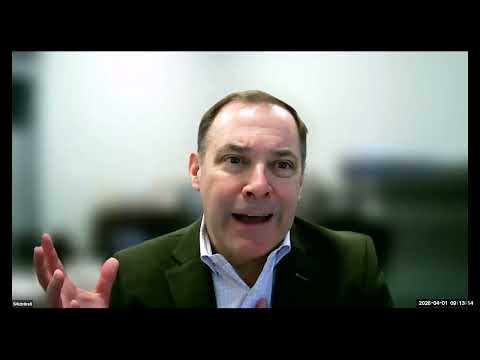
Scott, the district's lead auditor from CBIZ, told the Financial Audit Advisory Committee on April 1 that CBIZ issued unmodified opinions on the Concord‑Carlisle Regional School District’s 2024 financial statements and did not identify any material weaknesses in internal control testing for the year. "We did not identify any material weaknesses as a result of the procedures we performed in fiscal year 2024," Scott said.
The presentation summarized key figures from the audit: an unassigned (unreserved) fund balance of about $2.0 million at June 30, 2024 — a decrease of roughly $65,000 from the prior year — and about $700,000 in use of END (excess and deficiency). Scott also said the district carries a restricted debt-service balance of about $600,000 and roughly $1.0 million in committed and assigned balances for items such as stabilization and encumbrances.
Scott explained that converting the district’s modified‑accrual accounting records to full GAAP required a set of reclassification and GASB‑basis entries (the audit packet included an appendix of approximately 11 pages of such journal entries). On long‑term liabilities, Scott reported the district’s net pension position is roughly 90.24% funded using a 6.5% discount rate and its OPEB plan is about 61% funded using a 6.775% discount rate; Scott noted actuarial schedules show projected full funding on the pension schedule in the early 2030s and an OPEB funding timeline into the 2040s.
Committee members pressed for timing and provenance of documents; Scott said the FY24 audit report (June 30, 2024 year end) was issued in September 2025 after a quality‑control review and related delays, and that the FY25 audit had been completed and issued earlier in the week. The committee requested a separate review of the FY25 audit at a forthcoming meeting.
The presentation also covered treatment of circuit‑breaker reimbursements (special‑education state aid), encumbrances (purchase orders carried forward into the new fiscal year, such as delayed school‑bus purchases), and student activity (fiduciary) accounts. District staff described a recent reconciliation of long‑running student‑activity accounts and said transfers or balance adjustments to those accounts require school‑committee approval.
The committee will circulate the auditor's governance letter and the audit packet to its members and plans to follow up on the auditor’s suggested adjustments and management actions. The audit committee asked staff to return with any clarifying documentation requested during the session and flagged several procedural points for continued monitoring.
The committee voted to accept the prior meeting minutes by voice; there were no formal roll‑call tallies recorded for audit‑related actions at this meeting.