Get Full Government Meeting Transcripts, Videos, & Alerts Forever!
Get email alerts on the Committee Structure topic
No spam. Unsubscribe anytime.
Committee proposes Protect, Grow and Engage ad hoc groups and presses for stronger pruning rules in TPO
Summary
The committee voted to table formal ad-hoc formation to March but generally supported three umbrellas—Protect (policy and pruning), Grow (planting/maintenance), and Engage (outreach)—and members urged staff to document pruning abuses and advise on the feasibility of moratoriums or enforcement measures.
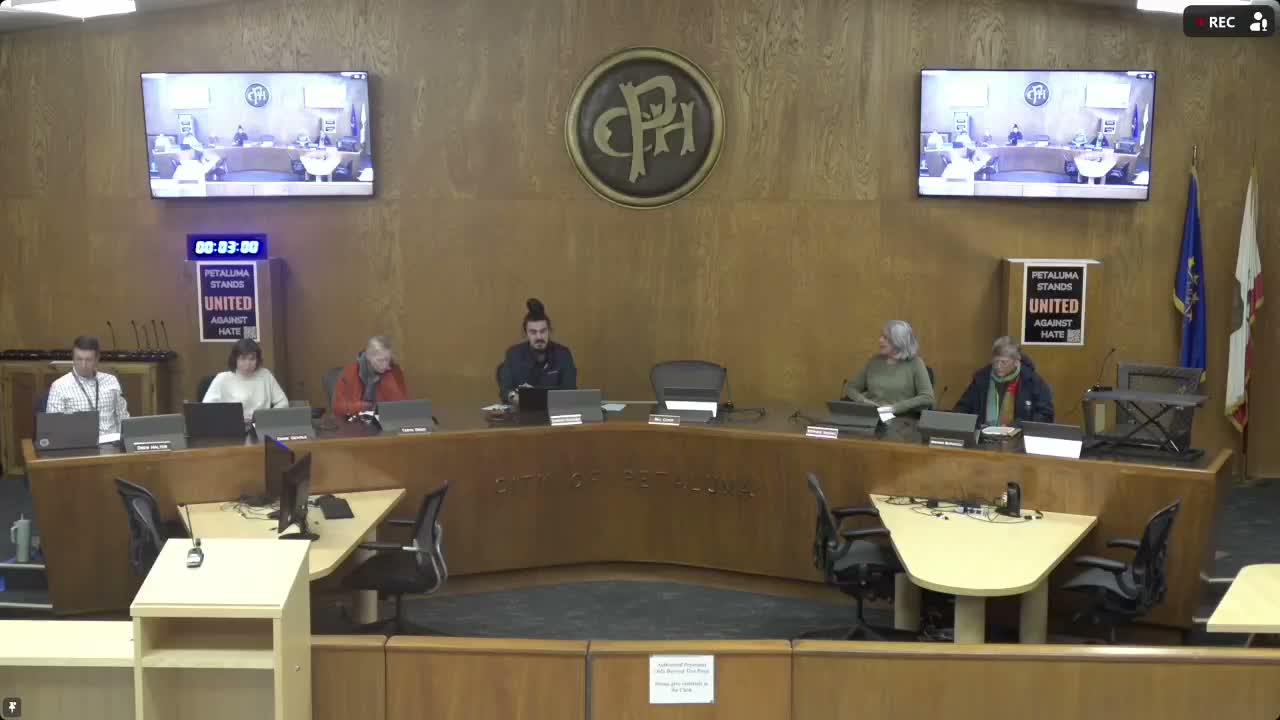
The Tree Advisory Committee on Feb. 18 discussed reorganizing its workload into three ad hoc umbrellas: Protect (policy advocacy, including pruning and removal limits), Grow (tree planting and maintenance coordination) and Engage (events, outreach and public-facing resources).
The chair said the structure would let small groups meet outside Brown Act constraints to pursue focused work, then report back to the full committee. "Protect was to advocate and educate the community around policies like the tree preservation ordinance, like the pruning issue," the chair said.
Members flagged urgent policy and enforcement questions: several reported recent instances of severe topping and other practices that remove canopy. Committee member Taryn urged members to lobby planning commissioners and council members one-on-one and to assemble photographic evidence of bad pruning. "When you see those instances of topping...take pictures," the chair said, urging members to submit evidence to staff and council members prior to March deliberations.
Staff said a blanket moratorium on pruning would be hard to implement without reliable reporting: "It's really hard...to put a blanket moratorium if the folks out there don't know about it," Drew said, and staff requested photos and reports to evaluate enforcement steps. Committee discussion also highlighted limits on the committee’s authority to fine property owners and that the TPO will be the primary mechanism to curb topping and excessive pruning.
The group agreed the Protect ad hoc is a logical place to focus TPO advocacy and to consult on pruning limits (for example, prohibiting topping and capping percentage removal), while Grow and Engage would handle plantings, stewardship programs and public events. The chair proposed agendizing formal ad-hoc formation in March to assign volunteers and begin targeted outreach.
Ending: The committee set direction to formalize the ad hocs in March and asked staff to provide guidance on enforcement, moratorium feasibility and pathways to document pruning abuses ahead of policy hearings.